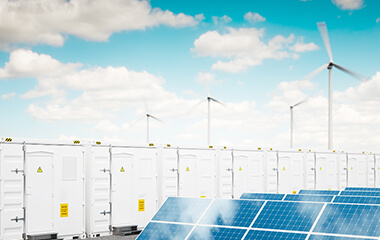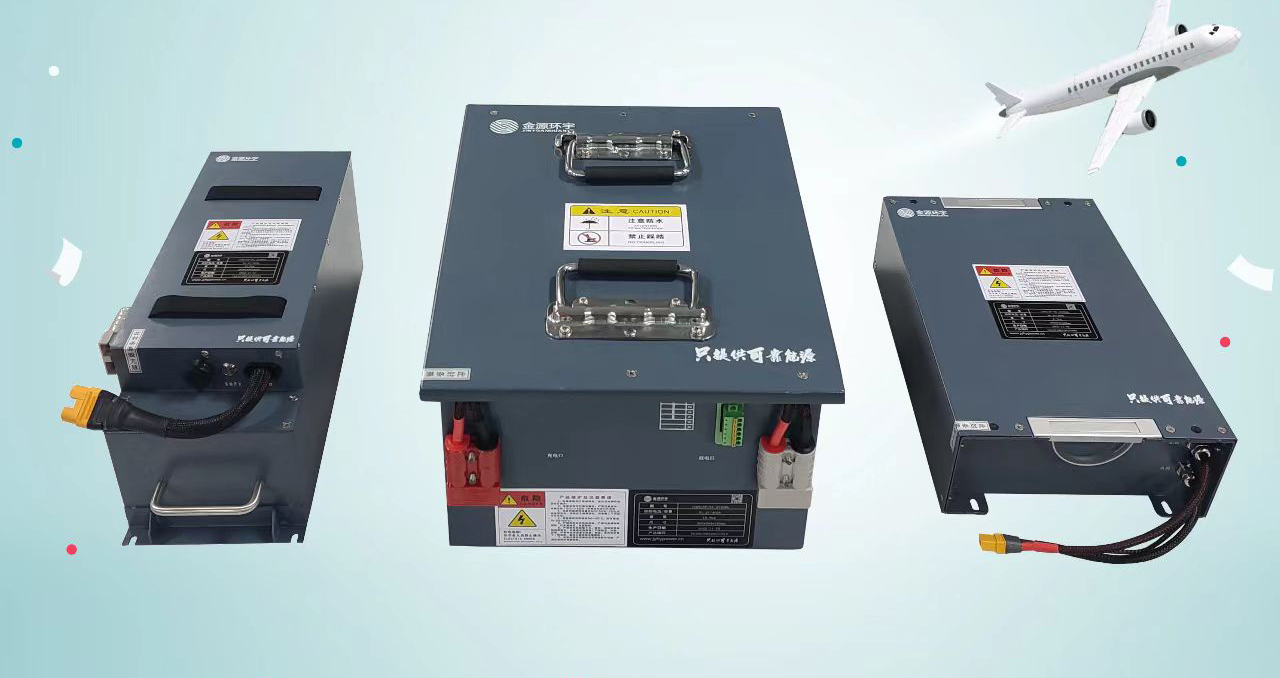
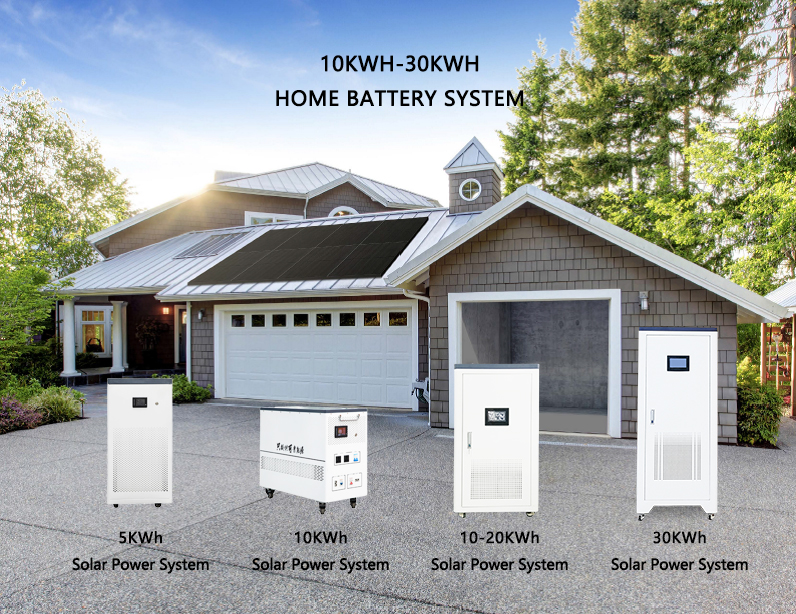
User-side energy storage mainly includes industrial and commercial energy storage and residential energy storage. Currently, the cost per kilowatt-hour for residential energy storage is above 1.2 yuan/kWh. Domestic residential electricity prices are low, and the peak-valley price difference is also small. The main customers and markets are in overseas regions with high residential electricity prices, such as Europe, North America, and Australia. Industrial and commercial energy storage systems cost above 1.6 yuan/kWh. They are mainly used in areas with higher electricity prices and larger peak-valley price differences. The market application is widespread, and there are various solutions available, which can be selected according to the application scenario. Structurally, energy storage products can be categorized into containerized or prefabricated units, and either outdoor or indoor cabinet-type. Based on cooling methods, they can be air-cooled or liquid-cooled. According to electrical structure, they can be centralized or string-type. Based on the energy storage system, they can be separate equipment and battery units or integrated equipment and battery units. Based on voltage levels, they can be 1000V or 1500V systems. Based on the energy collection point, they can be DC-coupled or AC-coupled. Large/medium-sized energy storage products currently primarily use containerized or prefabricated unit structures, generally applied on the power supply side and grid side, with a smaller portion applied on the user side. Cooling methods are gradually transitioning from air-cooled to liquid-cooled. The electrical structure is primarily centralized, with string-type energy storage gradually being added. Voltage is increasingly focused on 1500V, and AC coupling is the primary method. The revenue model for commercial and industrial user-side energy storage is peak-valley arbitrage, with full charging and discharging; the more charging and discharging, the greater the revenue; the higher the energy conversion efficiency and the lower the loss, the greater the revenue. Therefore, string-cluster controlled energy storage systems have a higher revenue rate than centralized energy storage systems. String-cluster controlled energy storage systems have high energy utilization efficiency per cluster, eliminating the bottleneck effect; there is no parallel connection between clusters, no circulating current, and high energy conversion efficiency. Distributed small energy storage cabinets, due to their dispersed layout, have higher maintenance and after-sales costs; the demand for purchases is small, so the unit price of related components and the overall system is higher. Currently, the estimated market price of small outdoor energy storage cabinets is approximately 1.6 yuan/Wh. The price of centralized energy storage systems is 1.1-1.2 yuan/Wh (for purchases of tens of MWh).
All-in-One AC/DC Integrated Energy Storage Container System. Each battery cluster connects to one PCS (Power Control System), enabling cluster-based management. High battery capacity utilization, no inter-cluster parallel circulating current, single-stage DC/AC converter unit, and high energy conversion efficiency. The string module does not contain DC switches, fuses, or AC circuit breakers internally. These are integrated externally, allowing for flexible configuration of these protection devices according to technical requirements. The PCS AC side is equipped with branch circuit breakers (optional) and a main circuit breaker (mandatory). Compared to centralized energy storage systems, the DC side eliminates the need for a DC combiner cabinet, DC-side switches and fuses on the PCS side, and a third-level BMS. The price difference between the two integration methods is narrowing. However, the benefits of string energy storage systems are significantly higher than those of centralized systems. The effective capacity utilization (DOD) of centralized energy storage systems is 7.5% lower than that of string energy storage systems. The estimated cycle life is also 10% lower.
DC Coupling
As shown in the diagram below, the DC power generated by the photovoltaic modules is stored in the battery bank through the controller. The power grid can also charge the battery bank through a bidirectional DC-AC converter. The energy collection point is at the DC battery terminal.
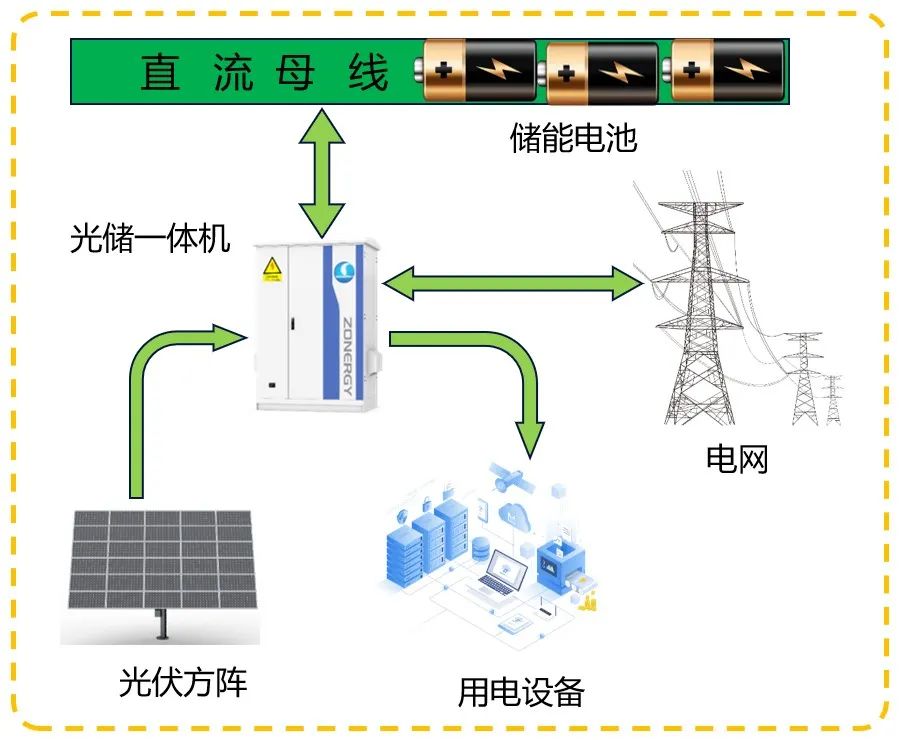
The working principle of DC coupling: When the photovoltaic system is running, the MPPT controller charges the battery; when the electrical load has demand, the battery will release electricity, and the current is determined by the load. The energy storage system is connected to the grid. If the load is small and the battery is fully charged, the photovoltaic system can supply power to the grid. When the load power is greater than the photovoltaic power generation power, the grid and photovoltaic can supply power to the load simultaneously. Because photovoltaic power generation and load power consumption are not stable, the battery is needed to balance the system energy.
AC Coupling
The direct current (DC) generated by the photovoltaic (PV) modules is converted into alternating current (AC) by an inverter, which directly powers the load or feeds it into the power grid. The power grid can also charge the battery through a bidirectional DC-AC converter. The energy collection point is at the AC end.
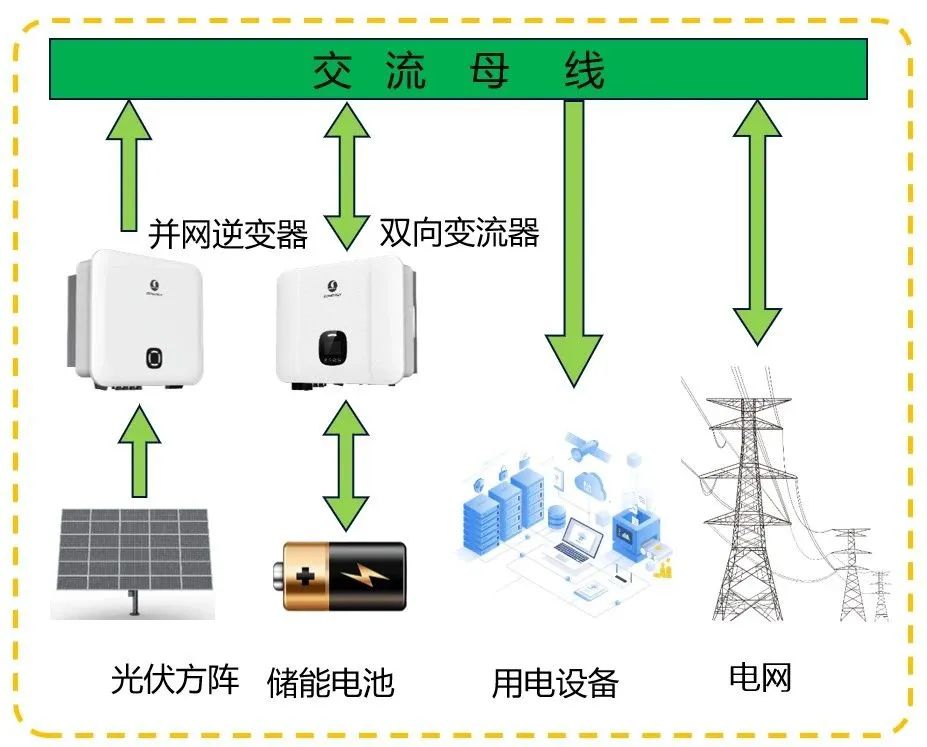
The working principle of AC coupling: It includes a photovoltaic power supply system and a battery power supply system.
A photovoltaic (PV) system consists of a PV array and a grid-connected inverter; a battery system consists of battery banks and a bidirectional inverter. These two systems can operate independently without interference, or they can be separated from the main grid to form a microgrid system. Based on currently installed cases, modular, string-type, AC-coupled user-side energy storage has become a trend, accounting for over 80% of the market share. This approach is low-cost, flexible in configuration, and highly secure, making it suitable for industrial and commercial on-grid and off-grid energy storage power stations. Meanwhile, DC-coupled centralized solutions offer simple wiring and system stability, making them suitable for small to medium-sized independent power stations. **Based on currently installed cases, a modular, string-type, AC-coupled user-side energy storage approach has become a trend, accounting for over 80% of the market share. This approach offers low cost, flexible configuration, and high security, making it suitable for industrial and commercial on-grid and off-grid energy storage power stations.**