5. Photovoltaic Modules
5.1 Definition of Photovoltaic Modules
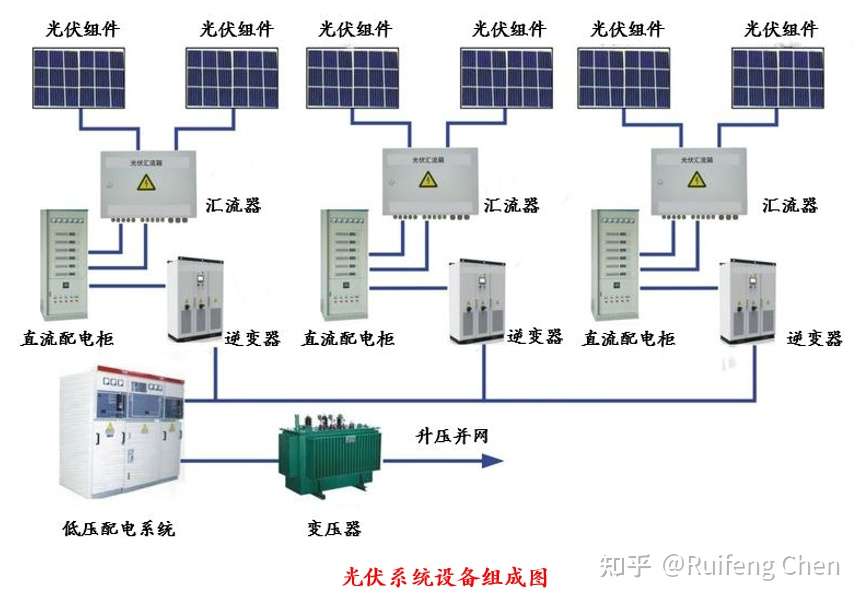
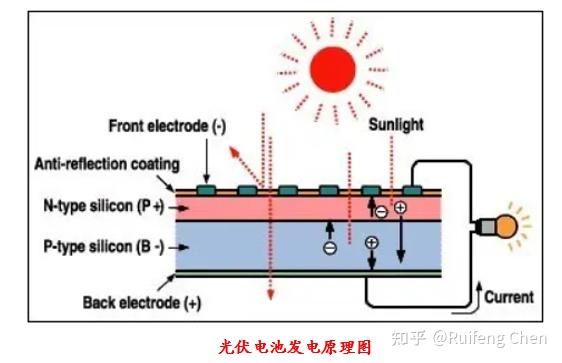
The basic unit of a photovoltaic module is the solar cell. A single solar cell cannot be used directly as a power source; several individual cells must be connected in series and parallel and tightly packaged into a module. A photovoltaic module (or solar panel) is the most important part of a photovoltaic power generation system; its function is to convert solar energy into electrical energy to power the load.
5.2 Classification of Photovoltaic Modules
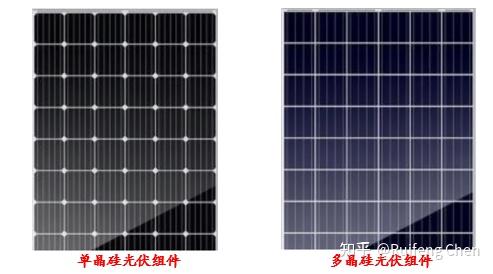
Currently, the commonly used solar modules in photovoltaic power plants are: monocrystalline silicon photovoltaic modules, polycrystalline silicon photovoltaic modules, and thin-film photovoltaic modules. Visually, monocrystalline silicon photovoltaic modules are dark blue, almost black, with rounded corners on the monocrystalline cells.
Polycrystalline silicon is sky blue, and polycrystalline solar cells are square with patterns on the surface resembling ice flowers.
Heterojunction solar cells combine the advantages of crystalline silicon and thin-film solar cells. Compared to other photovoltaic cells, heterojunction cells have the advantages of high conversion efficiency and high stability. The main problem with heterojunction cells is cost; firstly, the equipment investment is high, and secondly, the amount of silver paste used is large, resulting in a relatively low cost-effectiveness at present.
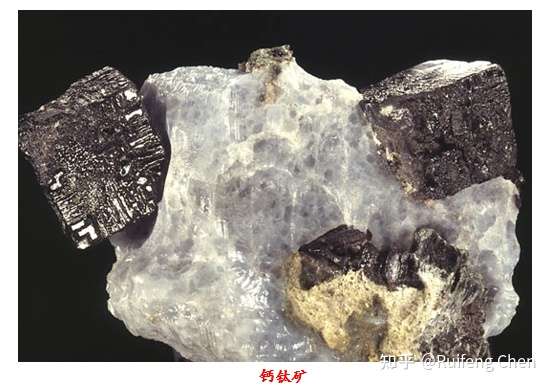
At the same time, for crystalline silicon, silicon material, silicon wafers, cells, and modules require more than four different factories for production and processing, and the manufacturing time for one module is about three days. For perovskite, only one factory is needed. From the entry of glass, encapsulant film, target material, and chemical raw materials to module molding, the entire process takes only 45 minutes.
(3) High photoelectric conversion efficiency. After the photons absorbed by the perovskite material are converted into electrons, due to the long diffusion distance (several micrometers) of its charge carriers, which is much greater than the thickness of the perovskite film, they are easily collected by the electrodes with low loss. Therefore, it can generate high photogenerated voltage and current, exhibiting a high overall photoelectric conversion efficiency.
The theoretical maximum conversion efficiency of single-junction perovskite cells reaches 31%, and the theoretical efficiency of multi-junction cells exceeds 50%, which is much higher than the conversion efficiency of crystalline silicon.
(4) Good performance in low light. Perovskite photovoltaic cells have excellent photoelectric conversion efficiency in low light conditions, and in the future, they may be able to utilize the weak light from indoor lighting and the weak sunlight outdoors on cloudy days to generate electricity. This is also a major advantage of perovskite photovoltaics over traditional silicon-based photovoltaics.
However, perovskite also has disadvantages:
(1) Small size. The perovskite cells with high conversion efficiency are all laboratory-scale and have not reached commercial sizes.
(2) Poor stability. Oxygen oxidation, light irradiation, ultraviolet radiation, etc., will have a significant impact on the stability of perovskite cells.
(3) Relatively short lifespan.
Currently, perovskite solar cells have a short lifespan, with a maximum lifespan of 3000 hours (125 days), while crystalline silicon solar cells have a lifespan of 25 years. (4) Raw material toxicity. Perovskite solar cell raw materials contain lead, which is toxic and may cause some environmental pollution. (5) Immature coating technology. The perovskite layer cannot be evenly coated on the device surface, which has a significant negative impact on device performance. Better coating processes need to be developed.5.3 Photovoltaic Module Structure
Photovoltaic modules are composed of solar cells connected in series and parallel, sealed with tempered glass, encapsulant film, and backsheet by hot pressing, and surrounded by an aluminum alloy frame. They have advantages such as strong wind and hail resistance and convenient installation.
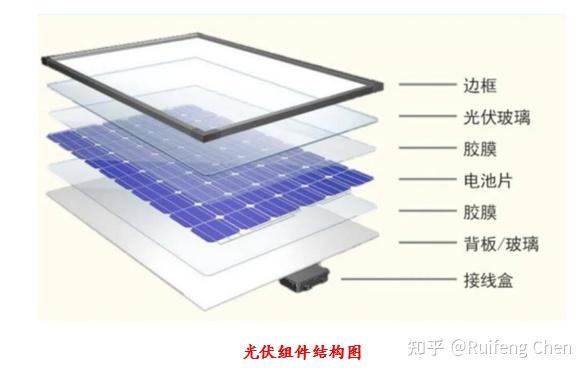
(4) Tempered Glass: Divided into coated glass and ordinary glass. Low-iron ultra-white tempered glass with a textured surface is used, with a light transmittance of over 90% and resistance to solar ultraviolet radiation.
Ultra-white refers to glass with low iron content, appearing white from the side, while ordinary glass is green, hence ultra-white low-iron. The textured surface is used to reduce light reflection and increase anti-reflection treatment, generally employing sol-gel nanotechnology and coating technology. Tempering is achieved by rapidly cooling molten glass with air, creating pressure on the surface and tension inside, thus achieving the purpose of tempering.
(5) EVA Film: A thermosetting film with superior adhesion, durability, and optical properties, widely used in current components and optical products. It is also non-sticky at room temperature, making it easy to handle.
Thermosetting refers to the property that it cannot soften or be repeatedly molded when heated, nor can it dissolve in a solvent. Three-dimensional polymers possess this property. Upon initial heating, it can soften and flow. Heating to a certain temperature causes a chemical reaction—crosslinking and curing—and hardens. This change is irreversible; thereafter, upon reheating, it can no longer soften and flow. It is precisely by utilizing this characteristic that molding processes are carried out. The plasticizing flow during the first heating is used to fill the cavity under pressure, and then it solidifies into a product with a defined shape and size. This material is called thermosetting plastic.
(6) Backing: Commonly used backing materials include TPT, i.e., polyvinyl fluoride composite film, which has good resistance to environmental erosion, insulation properties, and good adhesion to EVA.
(7) Aluminum alloy frame: Protects the glass edges; works in conjunction with silicone edging to enhance the sealing performance of the module; improves the overall mechanical strength of the module; facilitates module installation and transportation.
(8) Silicone: Adhesive and sealing function.
(9) Junction box: Electrical box for connecting the positive and negative leads of the module cells to the outside.
Main factors affecting photovoltaic module power generation
(1) Inherent losses of the photovoltaic module's own structure
Power loss occurs during the cell encapsulation process. Part of this loss is due to the reduction of light input and absorption by materials such as glass and EVA, and another part is electrical connection loss, mainly caused by welding rods and other connecting materials.
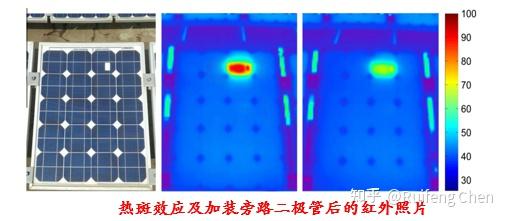
Photovoltaic modules also experience natural degradation during operation. (2) Hot Spot Effect A shaded solar cell module in a series circuit will act as a load, consuming the energy generated by other illuminated solar cell modules. The shaded solar cell module will then generate heat, which is the hot spot effect. The generation of hot spots not only affects power generation efficiency but can also cause permanent damage to photovoltaic modules, posing a fire hazard to the power station. According to statistics, a severe hot spot effect can reduce the actual lifespan of solar cell modules by at least 30%. Over time, this may lead to module failure. The cause of the hot spot effect may be nothing more than a stain, bird droppings, a leaf, or weeds. Generally, junction boxes with bypass diodes are installed in the modules to reduce the impact of hot spots. When a hot spot occurs, the diode in the junction box activates, thereby shielding the string containing the problematic battery cell.
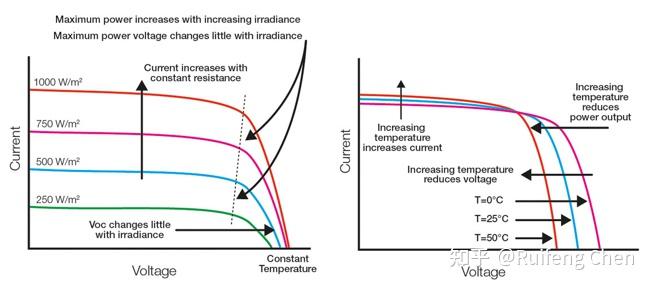
Solar irradiance is directly proportional to the photocurrent of photovoltaic (PV) modules. When solar irradiance varies within the range of 1000-2100 W/m², the photocurrent always increases linearly with the increase in solar irradiance. Solar irradiance has little effect on voltage; under constant temperature conditions, when solar irradiance varies within the range of 1000-2400 W/m², the open-circuit voltage of the PV module remains essentially constant. Therefore, the output power of the PV cell is also basically proportional to the solar irradiance.
The higher the temperature of the PV module, the lower its efficiency. As the module temperature increases, its output voltage will decrease: within the range of 20-100 degrees Celsius, for every 1 degree Celsius increase in module temperature, the output voltage of each cell decreases by approximately 5 millivolts; with increasing temperature, the output current increases slightly. In general, as the module temperature increases, its output power decreases: for every 1 degree Celsius increase in module temperature, the power decreases by 0.35%.
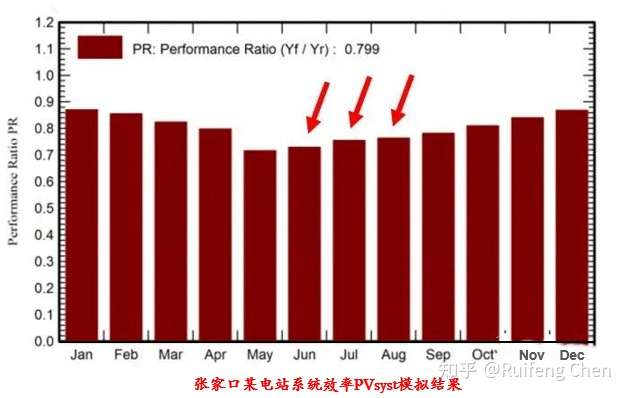
Therefore, output power varies with seasonal temperature changes. Under the same solar radiation intensity, output power is higher in winter than in summer. As shown in the figure below, the PR value from June to August is almost the lowest of the year; however, due to the long hours of sunshine, power generation is still relatively high during June to August.
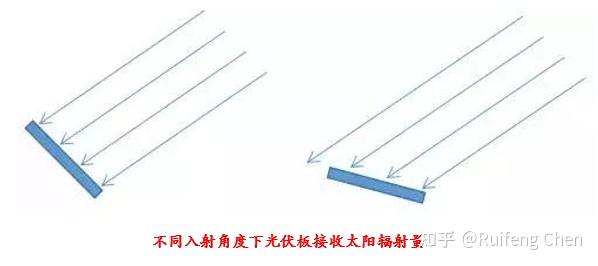
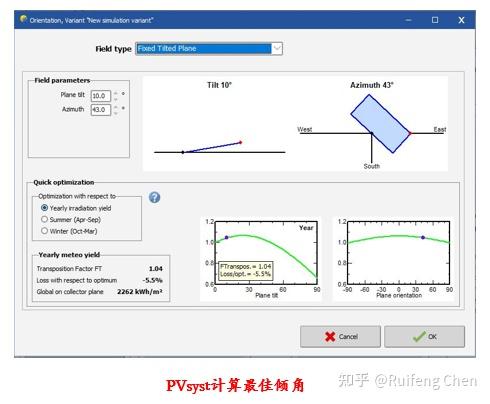
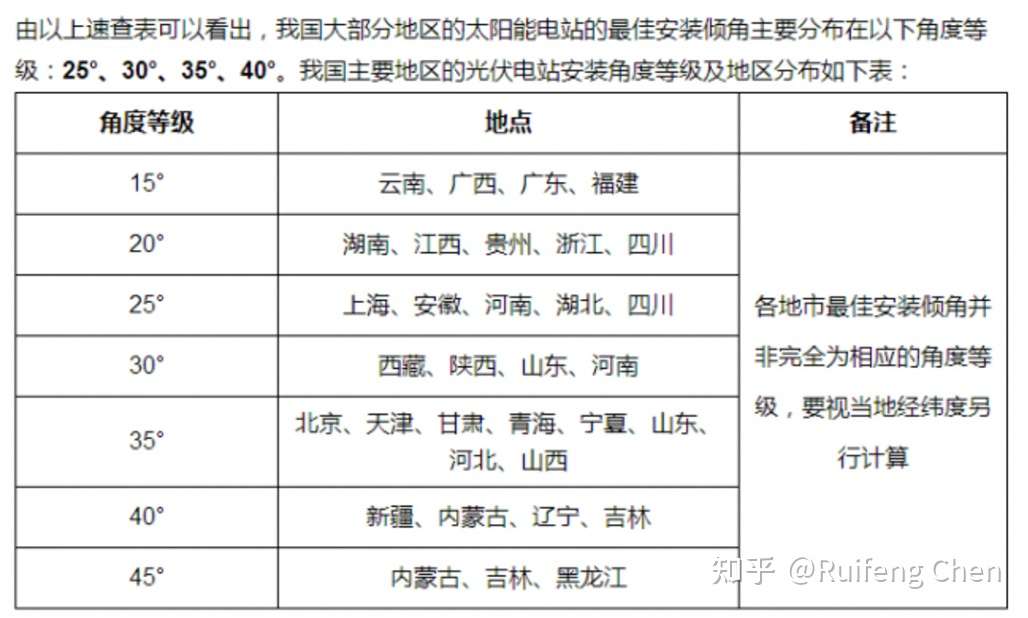
For a photovoltaic panel with an inclined surface, the amount of solar normal radiation received per unit area varies depending on the angle of incidence of the sun. Specifically, the smaller the angle of incidence (the angle between the sun and the normal of the photovoltaic panel), the greater the amount of solar normal radiation received. Therefore, the setting of the tilt angle of the photovoltaic panel will affect the power generation efficiency. The tilt angle of the photovoltaic panel that maximizes the total annual radiation received is the optimal tilt angle described in the "Design Code for Photovoltaic Power Stations".
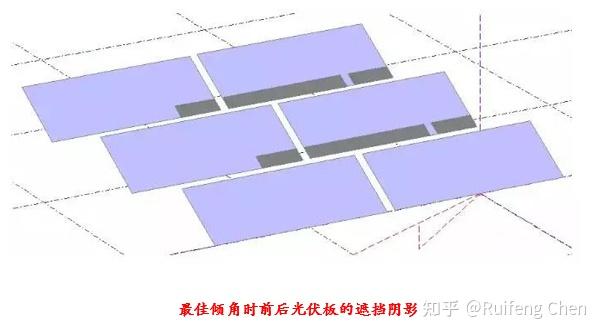
6. The output power of photovoltaic cells decreases as the surface temperature of the cells increases.
Source: New Energy