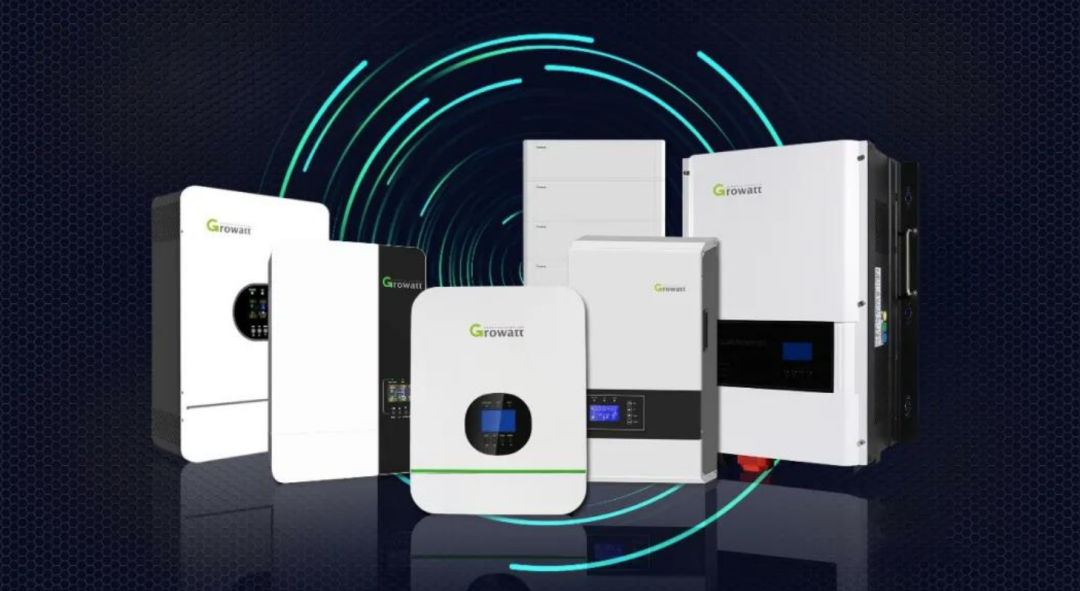
The selection of photovoltaic systems has always been a major concern. As the heart of a photovoltaic system, choosing a suitable inverter is crucial.
I. "Single MPPT" OR "Multiple MPPT"
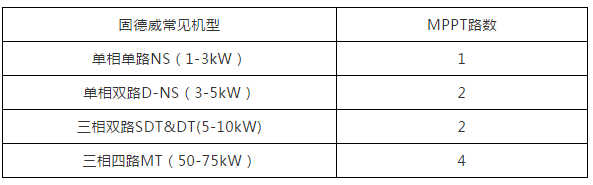
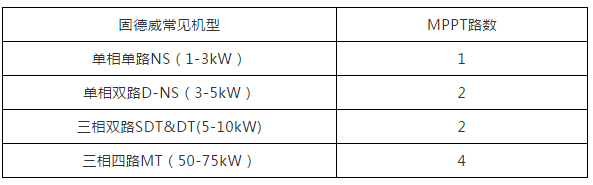
If the roof orientation is consistent (components face the same direction), you can use one MPPT; if the roof orientation is inconsistent (components face different directions or have different quantities), use Multi-channel MPPT tracking.
 II. "Voltage Matching" OR "Power Matching"
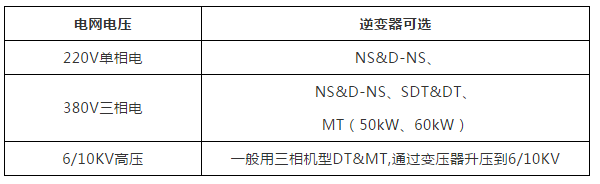
Special Note: Inverter specifications vary between manufacturers (mainly manifested in the fact that inverters of the same capacity may have different output voltage levels). Therefore, when selecting an inverter, we should first check which inverters meet The grid connection voltage requirement should be considered, not just whether the capacity is suitable.
If the power grid is 220V single-phase, then the inverter needs to be a single-phase grid-connected model
;If the grid voltage is 6KV or 10KV high voltage, a transformer needs to be installed between the inverter and the grid connection point.
In some regions abroad, where the voltage is 110V, transformers are still needed to match the grid voltage.
III. "Isolated" OR "Non-isolated" Inverters
Shading Avoid shading as much as possible. Things like weeds and dust can be cleared away. For design flaws (building obstructions, insufficient component spacing, etc.) that are difficult to change, GoodWe inverters offer a shadow scanning function. Activating this function can increase power generation.
Special reminder: Although the inverter's shadow scanning function can improve the power generation of the photovoltaic system to some extent, shading will still cause a very large power generation loss to our photovoltaic system.
V. "Grid-connected power demand" OR "Off-grid power demand"
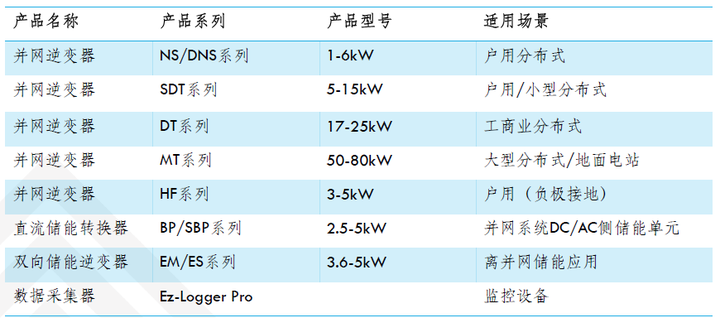
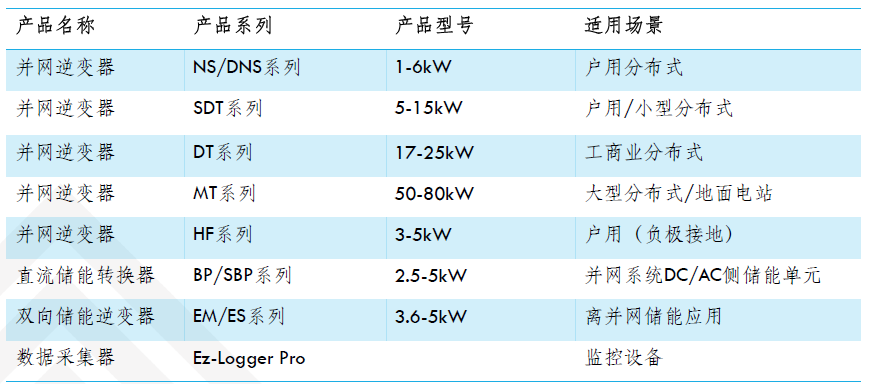
Generally, grid-connected photovoltaic (PV) systems can only meet "grid-connected electricity demand"; when the grid loses power, the PV system cannot continue to operate. If the customer still has electricity needs at this time, which falls under the category of "off-grid and grid-connected electricity needs", then a "grid- and grid-connected integrated inverter" should be selected.
Common operating modes of "grid-connected and off-grid integrated inverters" are as follows:
①Default mode:
In the absence of a power grid or without grid connection, all loads are connected to the off-grid end of the energy storage unit (back-up), and the loads continue to operate even when powered by the components or batteries.
③Economic Model:
Based on the differences in grid prices at different times, different time periods can be set for buying and selling electricity. Battery charging can also be done during off-peak hours when grid electricity prices are lower.
2. Specific connection method for configuring a photovoltaic system with an "integrated grid-connected and off-grid inverter":
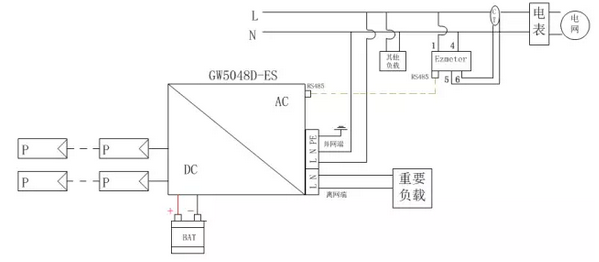
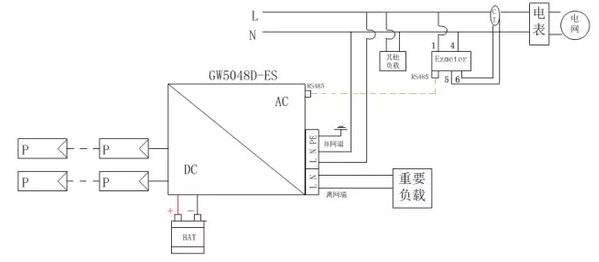
The energy storage unit can be matched with any lead-acid battery or some lithium batteries. A single unit is suitable for storing approximately 5kWh~25kWh.
Author: GoodWe PV Community