
With the increasing safety requirements for lithium batteries, explosion-proof batteries have emerged. Today, we'll learn about the professional knowledge of explosion-proof batteries~
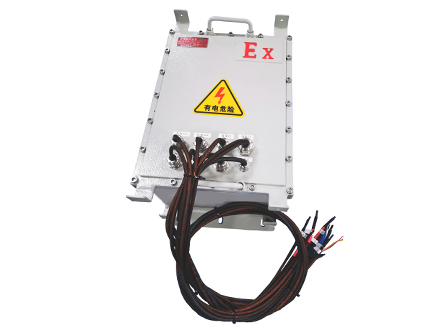
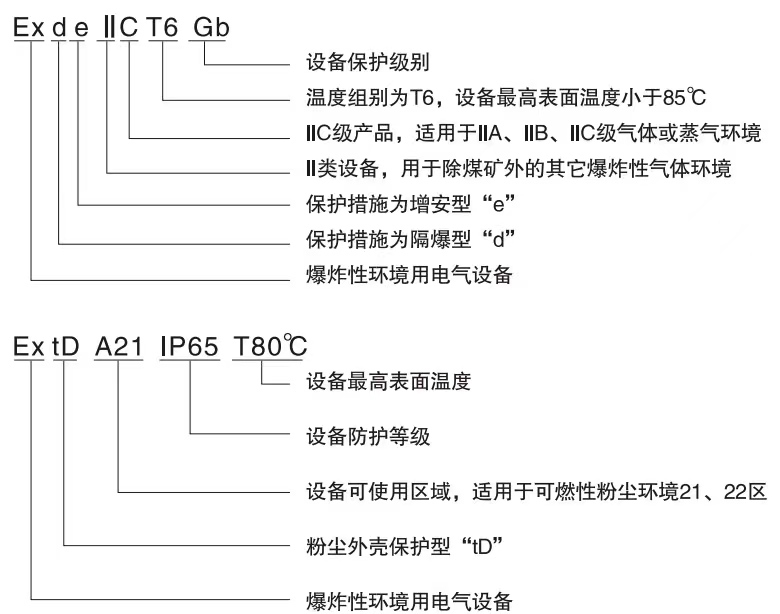
Meaning of Explosion-proof Marks
Classification of Explosion-Proof Locations
Classification of Explosion-Proof Electrical Equipment
Class I: Class I explosion-proof electrical equipment is used in coal mine methane gas environments;
Explosion-proof certification
.jpg)
|
Explosive Gaseous Environment |
Zone 0 | Places where explosive gas atmospheres are continuously present or exist for a long time |
| Zone 1 | Places where explosive gas atmospheres may occur during normal operation | |
| Zone 2 | Places where explosive gas atmospheres are impossible to occur during normal operation, and if they do occur, they are occasional and only exist for a short time | |
|
Combustibility Dust Environment |
Zone 20 |
In areas and containers where combustible dust is continuously or frequently present during normal operation, in quantities sufficient to form a combustible dust-air mixture and/or potentially form an uncontrollable and extremely thick dust layer |
| Zone 21 | During normal operation, there may be areas where the amount of dust is sufficient to form a combustible dust-air mixture but is not classified as Zone 20. This zone includes areas directly adjacent to dust filling or venting points, areas where dust layers exist, and areas where combustible dust-air mixtures at combustible concentrations may be generated under normal operating conditions. | |
| Zone 22 | Under abnormal conditions, combustible dust clouds may occasionally appear and exist only for short periods, or combustible dust may occasionally accumulate or dust layers may exist, generating combustible dust-air mixtures. |





.jpg)
.jpg)