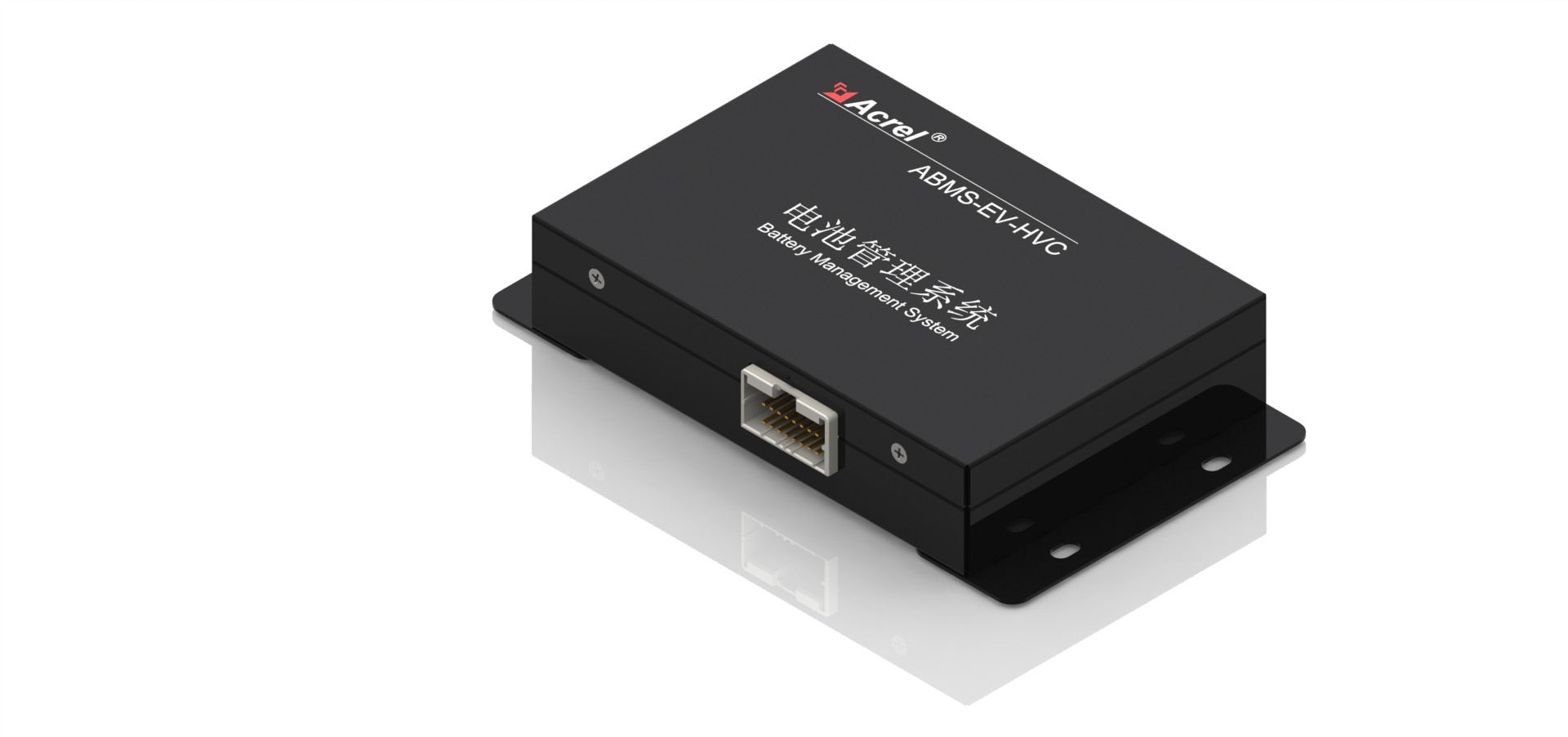
A Battery Management System (BMS) is commonly known as a Battery Management System. Its main purpose is to intelligently manage and maintain each battery cell, prevent overcharging and over-discharging, extend battery life, and monitor battery status.
The main functions of a Battery Management System (BMS) are:
(1) Measurement of battery terminal voltage
(2) Energy balancing between individual cells: This involves equalizing the charging of individual cells to ensure that all cells in the battery pack reach a balanced state. Balancing technology is a key technology in battery energy management systems that is currently being researched and developed worldwide.
(3) Battery Pack Total Voltage Measurement
(4) Battery Pack Total Current Measurement
(5) SOC Calculation
Accurately estimate the State of Charge (SOC) of the power battery pack, i.e., the remaining battery capacity, to ensure that the SOC is maintained within a reasonable range and to prevent damage to the battery due to overcharging or over-discharging.
(6) Dynamic Monitoring of the Power Battery Pack's Operating Status:
During the battery charging and discharging process, the terminal voltage and temperature of each battery in the battery pack, the charging and discharging current, and the total voltage of the battery pack are collected in real time to prevent overcharging or over-discharging.
(7) Real-time Data Display
(8) Data Recording and Analysis
At the same time, problematic batteries are selected to maintain the reliability and efficiency of the entire battery pack operation.
(9) Communication Networking Function



.jpg)