How do AGVs in unmanned intelligent warehouses achieve task scheduling?
Release Date:2023 / 08 / 28
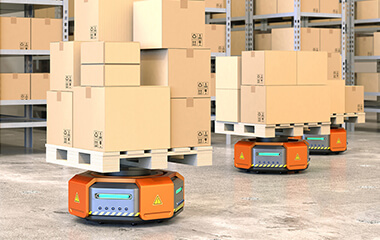
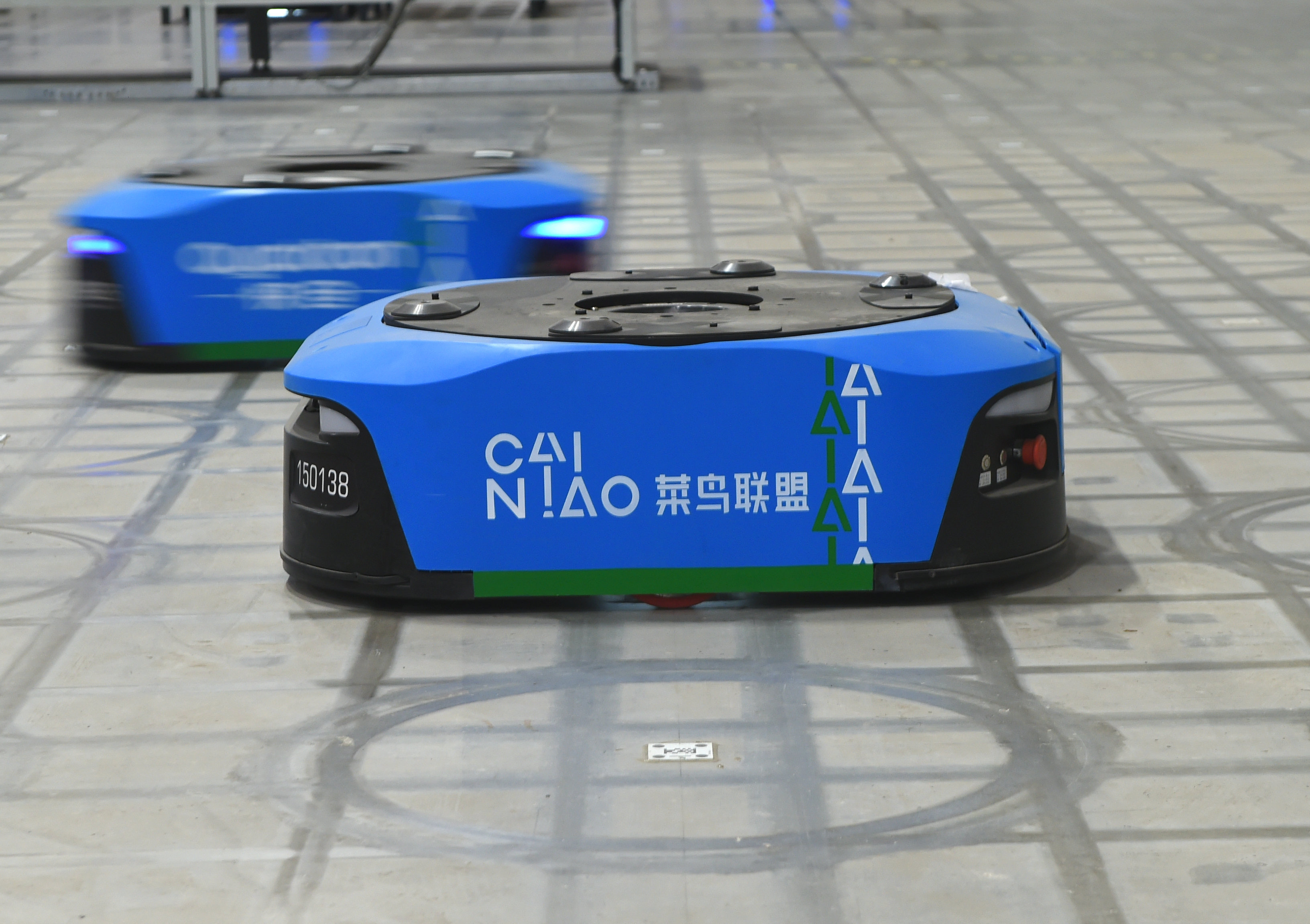
With the widespread application of intelligent warehousing and logistics systems and flexible manufacturing systems, and the gradual development of factory automation and computer-integrated manufacturing system technologies, the functions of common intelligent equipment AGVs (Automated Guided Vehicles) are becoming increasingly complete, and their application scope and technical level are also developing rapidly. As an important tool for automated handling and loading/unloading in warehousing and logistics, AGVs effectively connect various links by linking and adjusting discrete logistics management systems, realizing automated and continuous operation of the entire factory's logistics transportation, making the factory's logistics operation more efficient and intelligent.
Combined with WMS warehouse logistics integrated management and with the help of the MES information management platform, logistics handling tasks can be completed efficiently, accurately, and flexibly, improving production flexibility and enterprise competitiveness. AGVS is mainly responsible for the task scheduling, traffic control, remote monitoring, and information recording and feedback of the AGV team. AGVS is connected with MES, WMS, and other systems, which can provide enterprises with more complete enterprise logistics management processes and financial management information. The AGV system communicates with the host system of the higher-level information management system (MES/WMS/ERP, etc.) to generate, send, and provide feedback on material handling tasks. For example, the AGV interfaces with the WMS system, receiving demand information from the WMS and the designated locations. When a supplier delivers goods to the warehouse according to a purchase order, the AGV needs to receive the goods. Information such as the location and placement of the goods within the warehouse comes from the WMS. If goods need to be shelved, the WMS generates a shelving task queue based on the type and quantity of the goods and assigns the tasks to the AGV system, which then stacks the goods. The WMS issues shipping instructions based on the production system's requirements. Upon receiving the instructions, the AGV system uses RFID or QR code systems to identify the corresponding goods and then delivers them to the appropriate location. Order information is issued from the host system, converted into material information, and manually picked materials and loaded into the AGVs. The AGVs then transport the materials to the designated workstations on the production line. Empty material boxes are retrieved, and finished products are moved to the finished goods warehouse. The AGV system reports task execution data to the host system of the next-level information management system. The high degree of automation of AGVs is also reflected in their automated charging. When an AGV's battery is about to run out, it sends a charging request to the system and automatically goes to the charging station to "queue" for charging. Each 15-minute charge allows for approximately 4 hours of operation. The system's inherent intelligent control enables more orderly placement of goods and a cleaner workshop, thereby improving logistics management. AGVs require much narrower aisles than traditional forklifts, and their free-moving nature allows for accurate loading and unloading of goods from conveyors and other mobile equipment, effectively reducing process steps. Source: 518 Intelligent Equipment Online

.png)