I. Classification of Electrical Equipment for Explosive Atmospheres
1.1 Electrical equipment for explosive atmospheres is divided into Class I, Class II, and Class III.
1.2 Equipment for Specific Explosive Gas Atmospheres: When tested according to a specific explosive gas atmosphere, the relevant information should be recorded in the explosion-proof certificate and appropriately marked on the equipment.
II. Equipment Protection Level (EPL)
2.1 Definition:
2.2 Classification
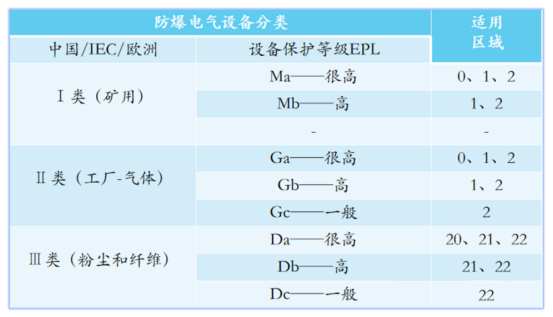
Coal Mine Gas: Ma, Mb;
Equipment for Explosive Gas Atmospheres: Ga, Gb, Gc;
Equipment for Explosive Dust Atmospheres: Da, Db, Dc.
III. Zone Classification
3.1 Explosive gas environments are classified according to the frequency and duration of occurrence:
Zone 0: Explosive gases are present continuously or for extended periods; the hazard level is greater than 1000 hours/year continuously.
Zone 1: Flammable gases may occur or be present during normal instrument operation; the hazard level is intermittently present for 10~1000 hours/year.
Zone 2: Under normal circumstances, flammable gases are not present, and even if they occasionally occur, their presence time is very short; the hazard level under accident conditions is 0.1~10 hours/year.
3.2 Combustible dust environments are classified according to the frequency, duration, and thickness of the dust layer:
Zone 20 (…) Zone 20: Locations and containers where combustible dust is continuously or frequently present during normal operation, in quantities sufficient to form a combustible dust-air mixture or potentially forming an uncontrollable and extremely thick dust layer.
Zone 21: Locations where, during normal operation, sufficient dust may be present to form a combustible dust-air mixture but are not classified as Zone 20. This zone includes: locations directly adjacent to dust filling or venting points, locations where dust layers exist, and locations where combustible dust-air mixtures at concentrations potentially flammable under normal operating conditions may occur.
Zone 22: Locations where, under abnormal conditions, combustible dust is occasionally present and only for short periods, or where combustible dust occasionally accumulates or dust layers may exist, forming combustible dust-air mixtures. If the elimination of combustible dust accumulation or dust layers cannot be guaranteed, it should be classified as Zone 21.
The applicable areas for explosion-proof electrical equipment are shown in the following diagram:
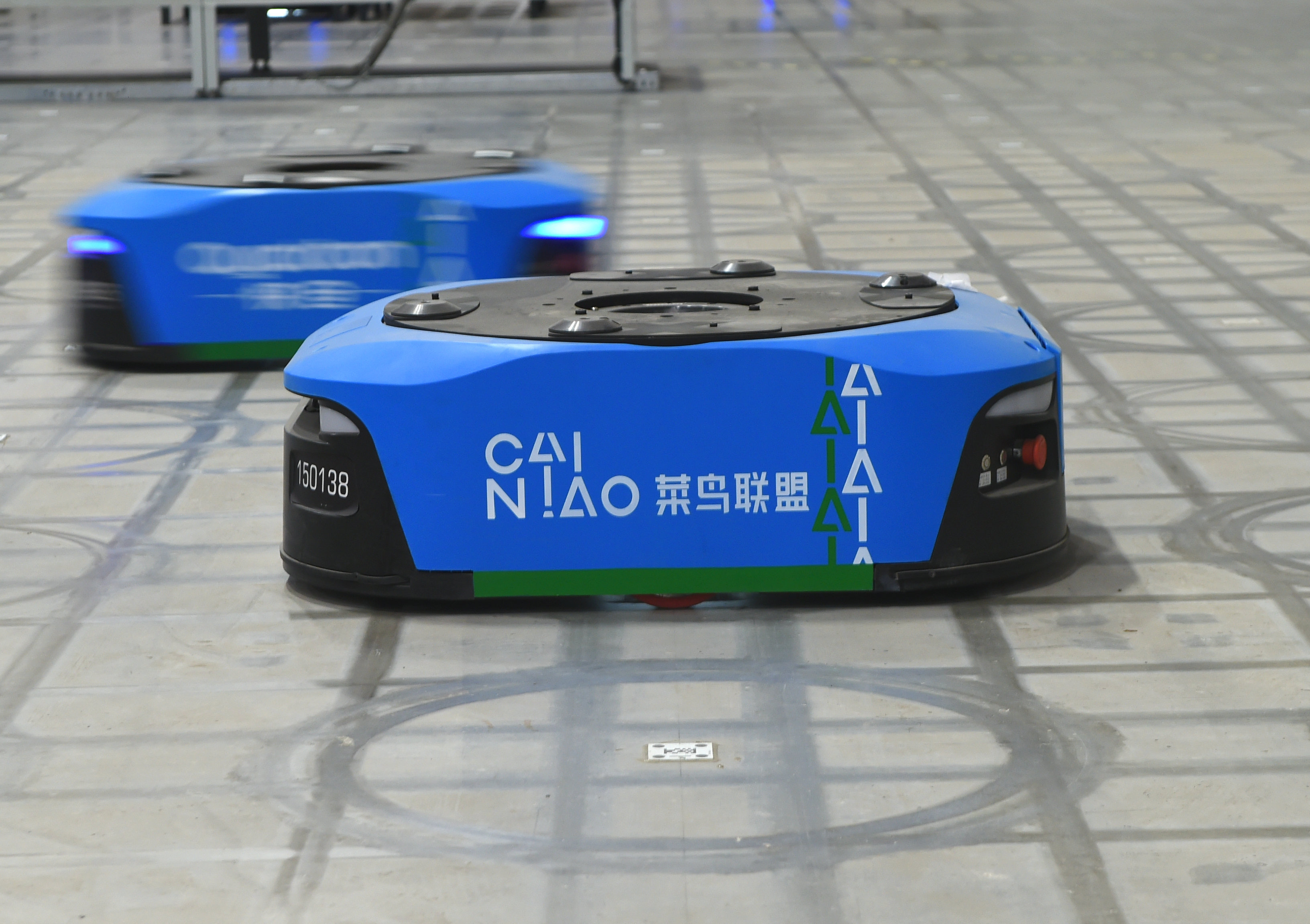
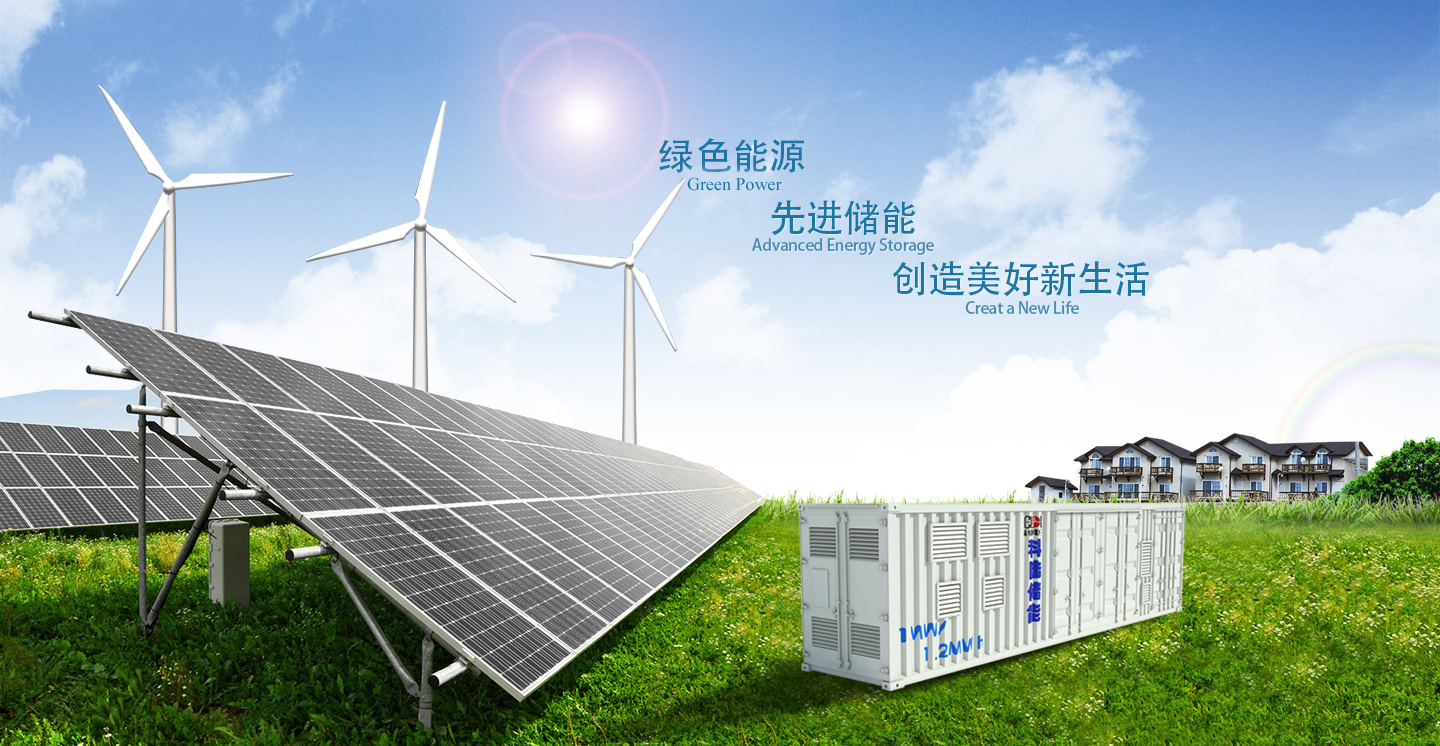
Henan Jinyuan Huanyu Energy Storage Technology Co., Ltd., a national high-tech enterprise headquartered in Beijing, is a technology-driven company specializing in the research and development and manufacturing of energy storage products. Its products include non-standard customized lithium batteries and intelligent charging products for AGV industrial mobile robots, as well as residential energy storage products. These are mainly used in the field of industrial mobile robots across multiple scenarios. Jinyuan Huanyu aims to provide reliable power solutions for global users.
The production plant is located in Xinxiang, and a service center is established in Suzhou. In 2022, it was recognized as the Engineering Technology Research Center for Power Supply Systems of AGV Industrial Application Mobile Robots. Jinyuan Huanyu focuses on energy storage products, contributing to national intelligent manufacturing and the achievement of dual-carbon goals. The company's vision is to become a globally trusted mobile energy provider!