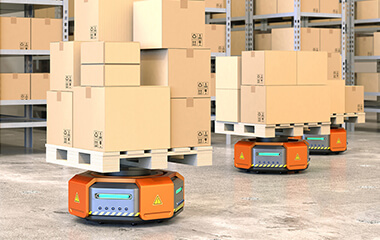
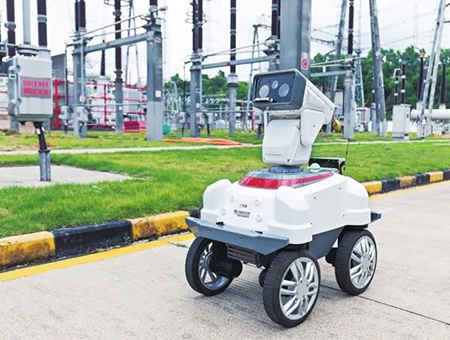
With the development of automated equipment, the types of automated equipment used in intelligent automated warehouses (AS/RS) in various enterprises are also increasing. Take, for example, the three seemingly related intelligent technology devices: RGV, AGV, and IGV. What are the differences between them, and how are they used?
I. Intelligent Warehousing Equipment RGV
RGV stands for "Rail Guided Vehicle," also known as a rail-driven trolley. It is a contact-rail transport vehicle. Currently, it is widely used and features high speed, high reliability, and low cost. It can be easily and quickly connected to other intelligent logistics systems, such as entry/exit platforms, various buffer stations, conveyor belts, elevators, and robots.
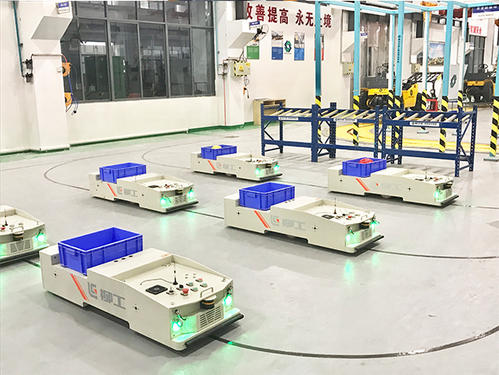
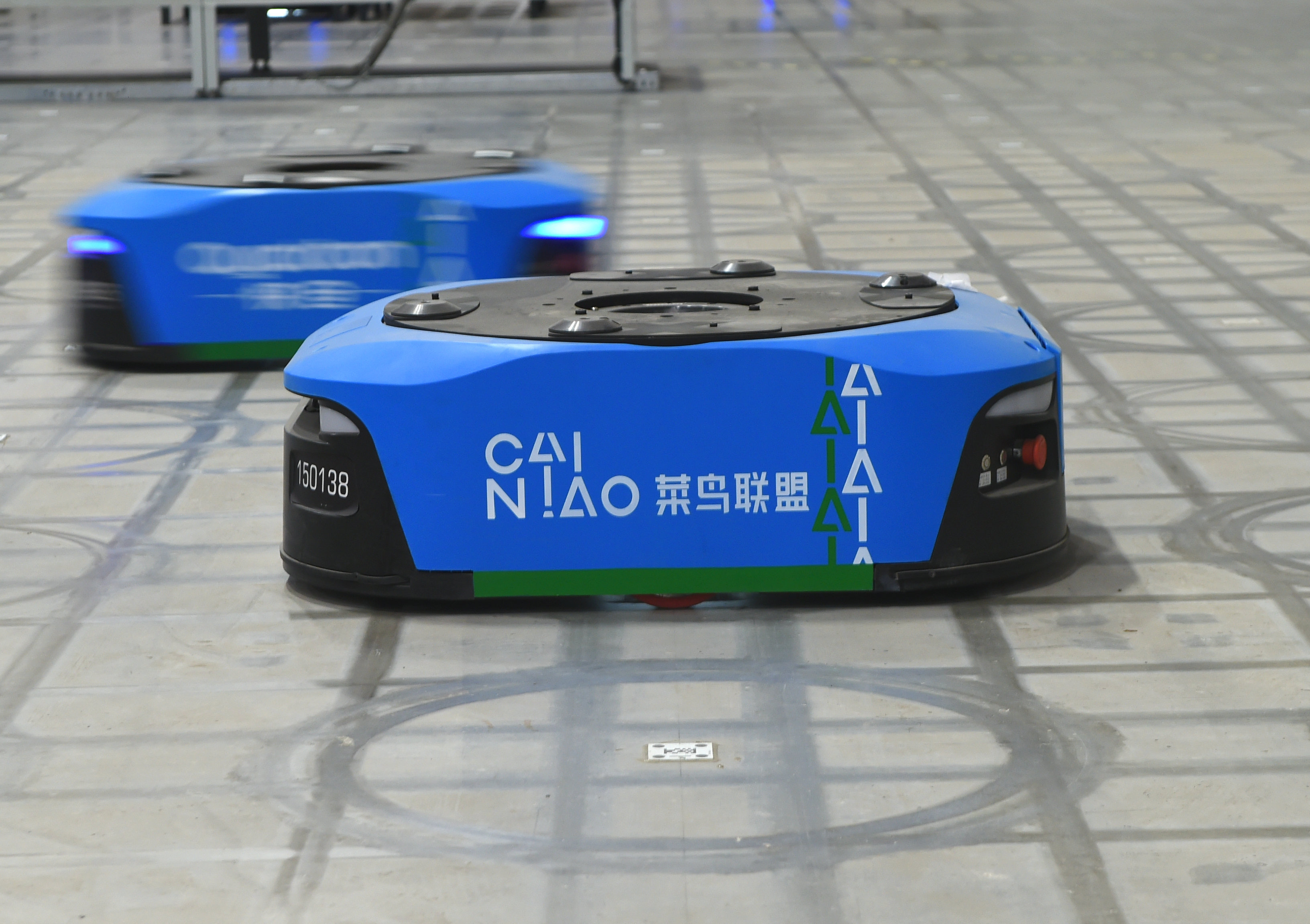
II. Intelligent Warehousing Equipment AGVs (Automated Guided Vehicles) AGVs, also known as automated guided vehicles or laser-guided vehicles, are characterized by their unmanned operation. Equipped with an automatic guidance system, AGVs can automatically travel along predetermined routes without manual guidance, transporting goods or materials from the starting point to the destination. Another feature of AGVs is their flexibility, high degree of automation, and high level of intelligence. AGV travel paths can be flexibly changed according to warehouse storage requirements and production processes, and the cost of changing operating paths is significantly lower compared to traditional conveyor belts and rigid conveyor lines. AGVs are generally equipped with loading and unloading mechanisms and can automatically interface with other logistics equipment to automate the entire process of loading, unloading, and handling goods and materials. Furthermore, AGVs feature clean production characteristics. Powered by their own batteries, AGVs operate without noise or pollution, making them suitable for many environments requiring a clean working environment. AGVs can select and plan appropriate routes according to the work tasks, accurately travel, stop at designated locations, and complete a series of operations, such as retrieving, unloading, and charging. Using AGVs can not only reduce labor costs, but also make the working environment more efficient and safer.
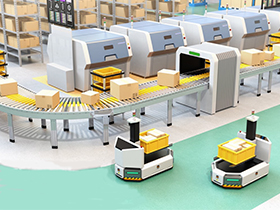
III. Intelligent Vehicle (IGV) Equipment
IGV intelligent navigation robots are suitable for material handling, logistics transportation, and inspection in various automated production lines. They can be integrated with automated warehousing and MES systems, combining automated control to achieve intelligent logistics in various scenarios. They offer flexible and rapid movement and precise and safe navigation, making logistics operations more efficient, convenient, safe, and intelligent. They keep logistics channels unobstructed, reducing IGV handling time. They employ first-come, first-served and priority principles for traffic control at intersections, preventing IGV collisions.
.jpg)
Call function: Enables workstation calling, abnormal alerts, and control of IGV trolley start, stop, and reset as needed.