Data from the 2023 World Robot Conference shows that China's installed industrial robot capacity has accounted for over 50% of the global market, making it the world's largest industrial robot market.
Inspection robots, as highly complex automated devices, are widely used in the industrial sector, enabling intelligent inspection and maintenance in various industrial scenarios, and driving the intelligent transformation and digitalization of traditional industries. Due to their crucial role in intelligent inspection and maintenance, they are hailed as the "crown jewel."
Machine vision technology enables intelligent inspection robots to automatically detect target objects, identify equipment status, detect anomalies, and take corresponding actions, thereby achieving efficient, accurate, and safe inspection tasks. Therefore, machine vision plays a vital role in intelligent inspection robots, providing them with visual perception capabilities and significantly improving inspection efficiency and reliability.
Detailed Explanation of Machine Vision Technology
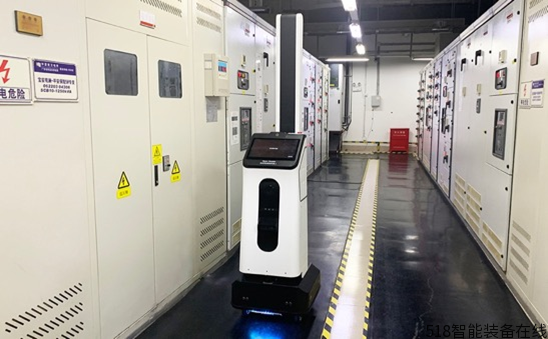
Machine vision refers to the technology that enables computer systems to perceive, understand, and process image or video data by simulating the human visual system. It is an important branch of computer vision, also known as computer vision or computer vision system.
The main goal of machine vision is to enable computer systems to mimic the functions of the human visual system, achieving the perception, recognition, and understanding of image or video data. This involves a series of techniques and algorithms, including image acquisition, preprocessing, feature extraction, object detection and recognition, image segmentation, and motion analysis.
1. Image Acquisition: Acquiring image or video data from the environment using various sensors.
2. Image Preprocessing: Performing preprocessing operations such as filtering, enhancement, and noise reduction on images to optimize image quality.
3. Object Detection and Recognition: Identifying target objects or scenes in images using computer vision and deep learning techniques.
4. Motion Analysis: Analyzing the motion, speed, and orientation of objects in an image sequence.
5. 3D Reconstruction: Reconstructing 3D models of objects in the environment based on images or point cloud data from multiple perspectives.
6. Image Understanding and Reasoning: Understanding the semantic information in images to perform reasoning and decision-making.
Machine vision technology has wide applications in various fields, including industrial automation, intelligent transportation, medical imaging, security monitoring, autonomous driving, virtual reality, and augmented reality. It provides people with more efficient and intelligent methods for image processing and analysis.
Main Functions of Machine Vision
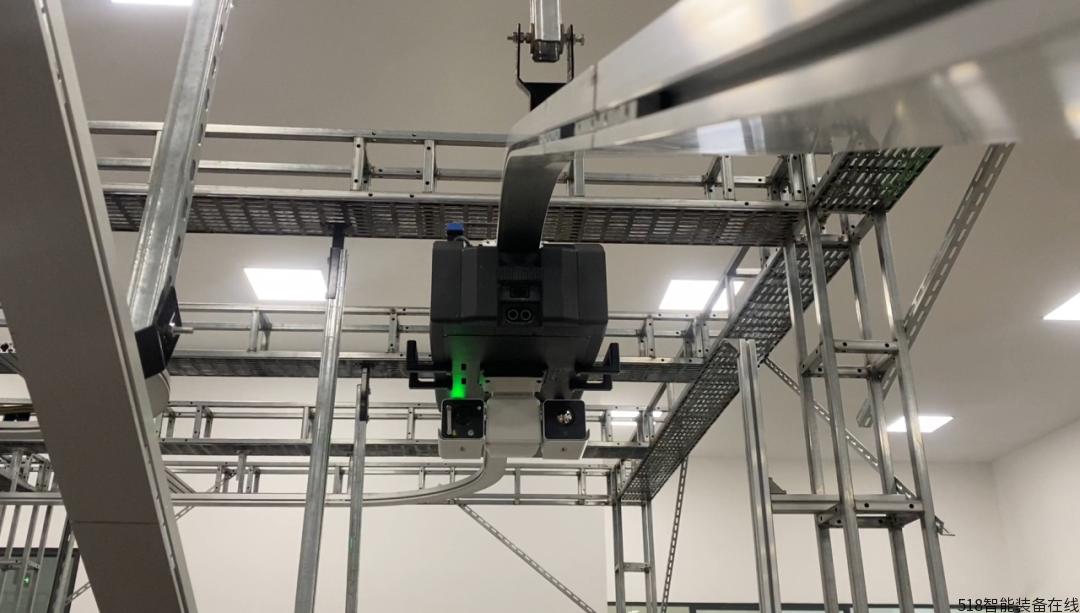
Machine vision in inspection robots refers to the ability of robots to perceive and understand their surrounding environment using visual sensors and image processing technology. Equipped with sensors such as cameras and LiDAR, inspection robots can acquire image or point cloud data of their environment and analyze and process this data using computer vision and deep learning technologies to achieve the following functions:
1. Target Detection and Recognition: Identifying target objects in the inspection environment, such as pipes, equipment, and cables, and determining their location and status.
2. Defect Detection: Detecting and identifying defects, damage, or anomalies in equipment or structures, such as cracks or leaks.
3. Safety Recognition: Identifying hazardous areas or obstacles to ensure safety during the inspection process.
4. Path Planning and Navigation: Based on visual information in the environment, planning and navigating paths to efficiently traverse the inspection area and complete tasks.
5. Map Building: Generating 3D maps of the environment through visual recognition technology to aid in planning inspection routes and navigation paths.
6. Environmental Perception: Perceiving parameters such as light, temperature, and humidity in the environment to better adapt to and respond to environmental changes.
By completing these tasks, intelligent inspection robots can autonomously, efficiently, and accurately perform inspection duties, improving work efficiency and safety.
Advantages and limitations of machine vision
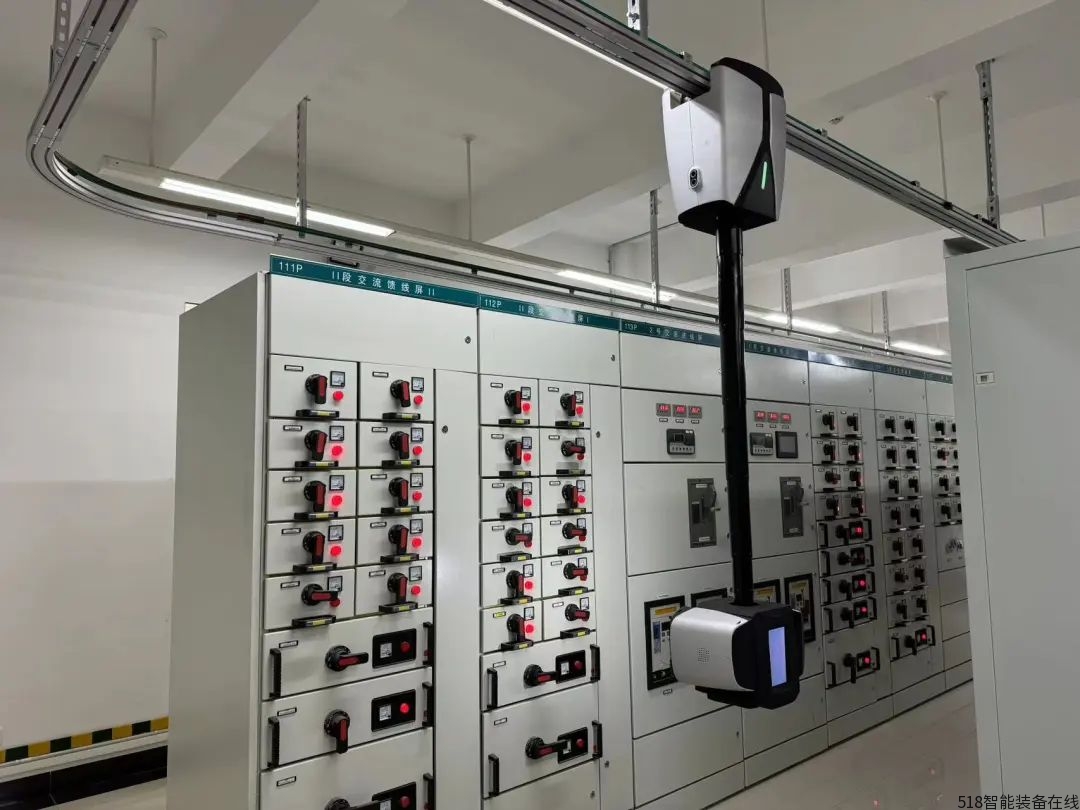
Advantages:
1. High Efficiency: Machine vision can rapidly process and analyze large amounts of data, more efficiently than the human eye, completing numerous image recognition and analysis tasks in a short time.
2. Accuracy: Through advanced algorithms and models, machine vision can achieve high-precision image recognition and analysis with high accuracy, capable of detecting minute defects or anomalies.
3. Automation: Intelligent inspection robots equipped with machine vision systems can automate inspection and monitoring tasks without human intervention, reducing labor costs and human error.
4. Multitasking: Machine vision systems can handle multiple tasks simultaneously, including object detection, image classification, and image segmentation, improving the system's versatility and applicability.
5. Continuity: Machine vision systems can monitor and analyze image data in real time, operating 24/7, enabling continuous and uninterrupted inspection and monitoring, improving safety and reliability.
Limitations:
1. Challenges in Complex Environments: In complex environments, such as uneven lighting, complex backgrounds, or object deformation, the performance of machine vision systems may be affected, leading to a decrease in recognition accuracy.
2. Cannot Replace Human Judgment: Although machine vision technology has made great progress in recognition and analysis, it still cannot completely replace human judgment in certain complex situations, requiring human intervention and verification.
3. Cost and Technical Barriers: The cost of equipping intelligent inspection robots with machine vision systems is high, and it also requires specialized technical personnel for development and maintenance, resulting in a high technical barrier.
Current Status of Machine Vision Development
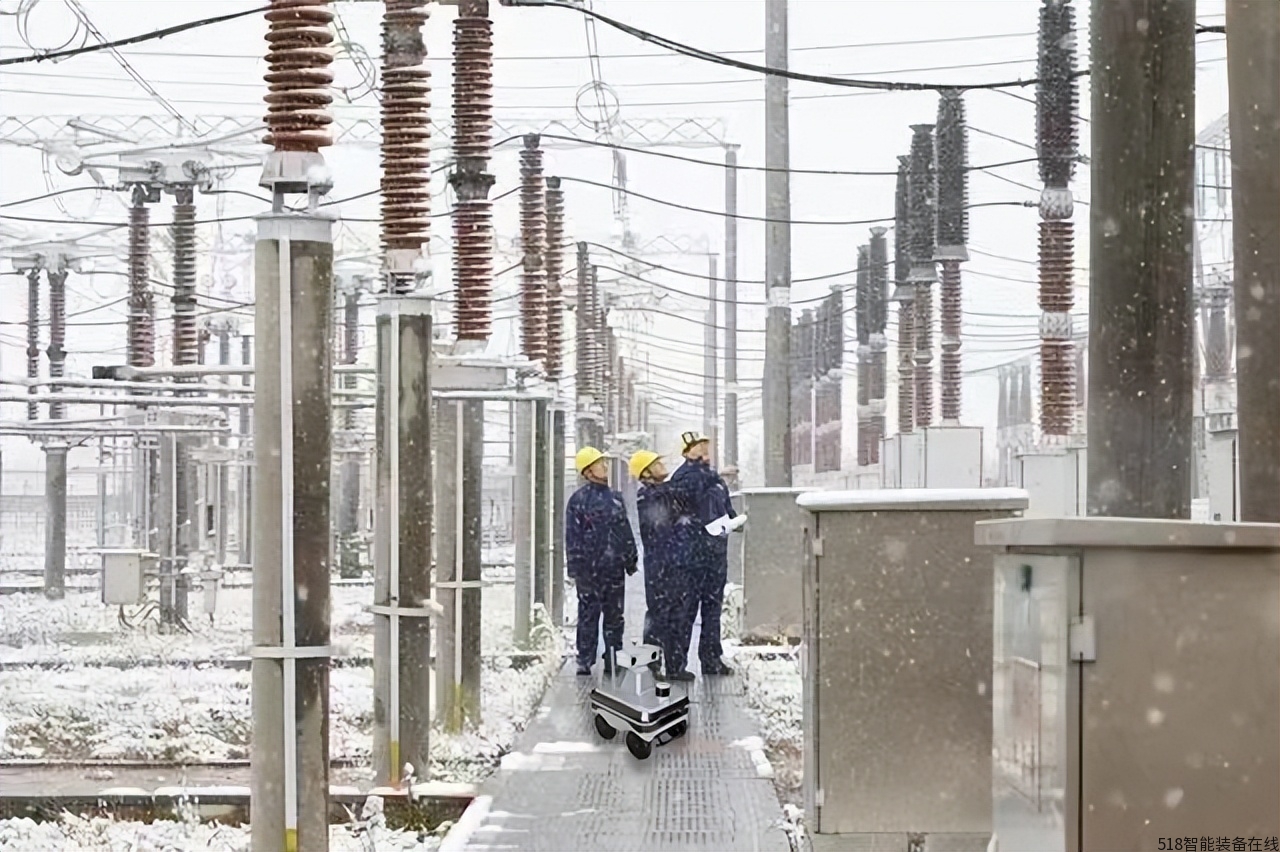
1. Technological Advancements and Innovation: With the continuous advancement of artificial intelligence and computer vision technologies, the machine vision capabilities of intelligent inspection robots have been significantly improved. New algorithms and models are constantly emerging, such as deep learning, neural networks, and convolutional neural networks, enabling substantial progress in object detection, image recognition, and image segmentation.
2. Hardware Improvements: With continuous improvements and cost reductions in hardware technologies such as cameras, sensors, and computing devices, the machine vision systems of intelligent inspection robots are becoming increasingly compact, lightweight, and flexible, while also possessing higher performance and reliability.
3. Expanding Application Scenarios: Beyond traditional industrial manufacturing and facility inspection, applications have expanded to security monitoring, agriculture, medical imaging, urban management, and many other fields, providing more application options for various industries.
4. Growing Market Demand: With the continuous development of intelligent manufacturing and smart cities, the demand for intelligent inspection robots is constantly growing. Machine vision, as one of the core technologies of intelligent inspection robots, has received widespread market attention and favor, leading to a continuously expanding market size.