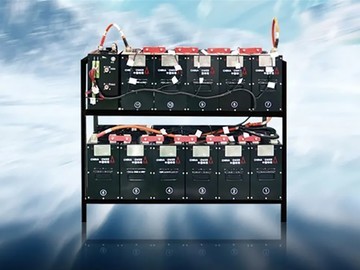
Robots made frequent appearances at the Hangzhou Asian Games, showcasing a high level of technology and becoming a highlight of the event.
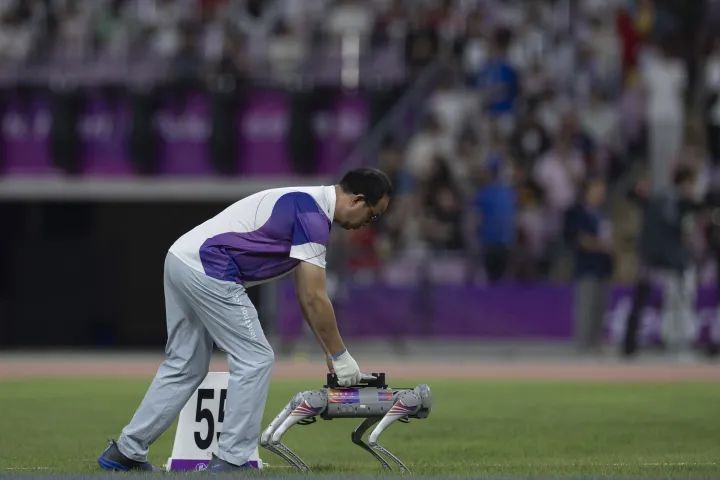
On the field, adorable robotic dogs (quadruped robots) performed dances and transported discus.。
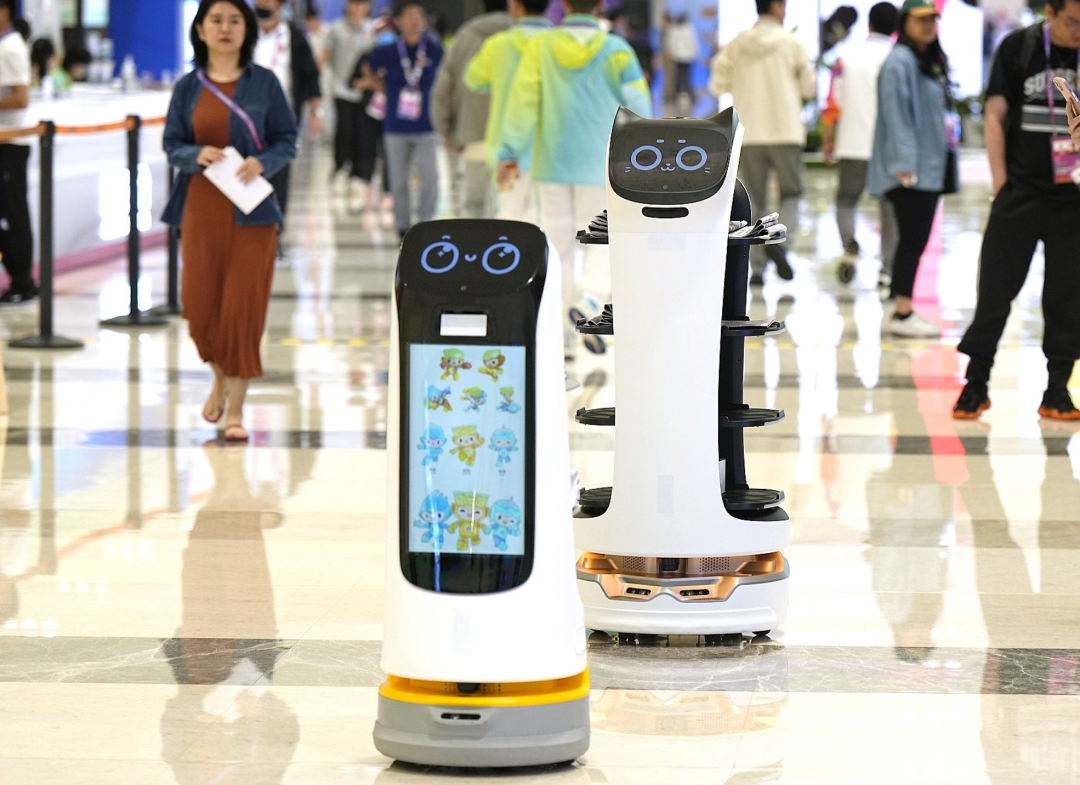
Inside the venue, intelligent service robots acted as "tour guides".
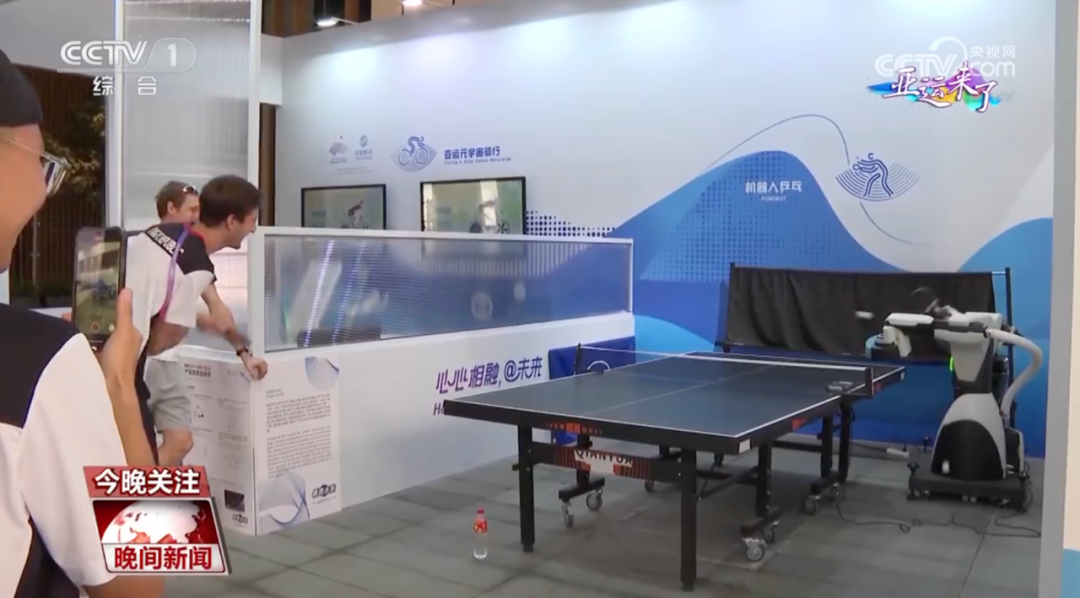
In the Asian Games Village, athletes can play table tennis with robots and listen to robots play the piano.
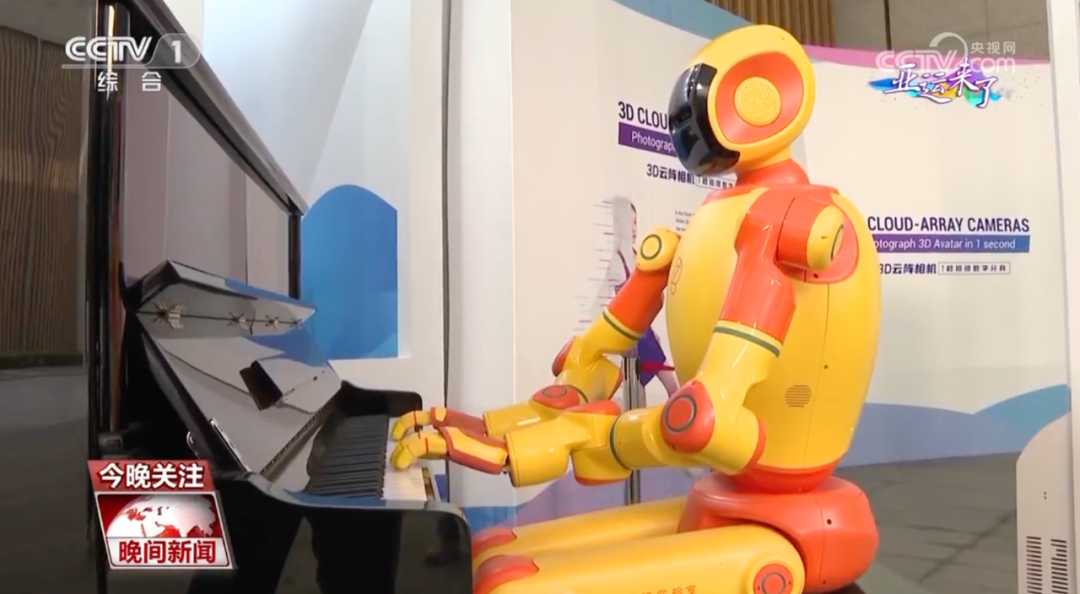
At the logistics center, intelligent equipment such as patrol robots and wearable exoskeletons ensure the precise and efficient flow of goods.
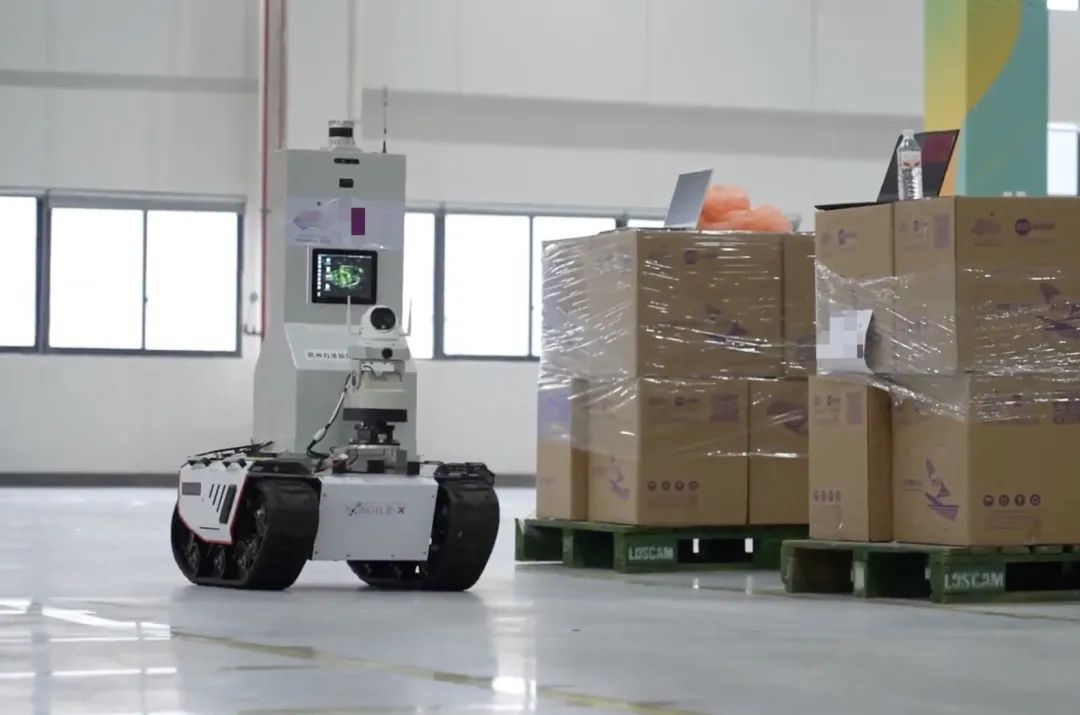
At the Asian Games, Chinese robots made their debut. Statistics show that in 2022, the operating revenue of China's robot industry exceeded 170 billion yuan, continuing its double-digit growth. In the same year, my country's installed industrial robot volume accounted for more than 50% of the global total, firmly maintaining its position as the world's largest market.
The "14th Five-Year Plan for the Development of the Robot Industry" proposes that by 2025, my country should strive to become a global source of robot technology innovation, a hub for high-end manufacturing, and a new highland for integrated applications.
At the beginning of this year, 17 departments, including the Ministry of Industry and Information Technology, jointly issued the "Implementation Plan for the 'Robot+' Application Action," proposing that by 2025, the density of robots in the manufacturing industry should double compared to 2020, and the depth and breadth of industry applications of service robots and special-purpose robots should be significantly improved, once again accelerating the development of China's robot industry.
China's robots are fully mobilized!
01
Have you ever seen robots manufacturing robots?
In the production workshop of Siasun Robot & Automation Co., Ltd. in Shenyang, Liaoning Province, such scenes are played out every day. Siasun not only has a large number of industrial robot "employees," but also a wide variety of industrial robot products, covering many process links in the industrial manufacturing field. It has achieved good sales in China and also exports a large amount of products
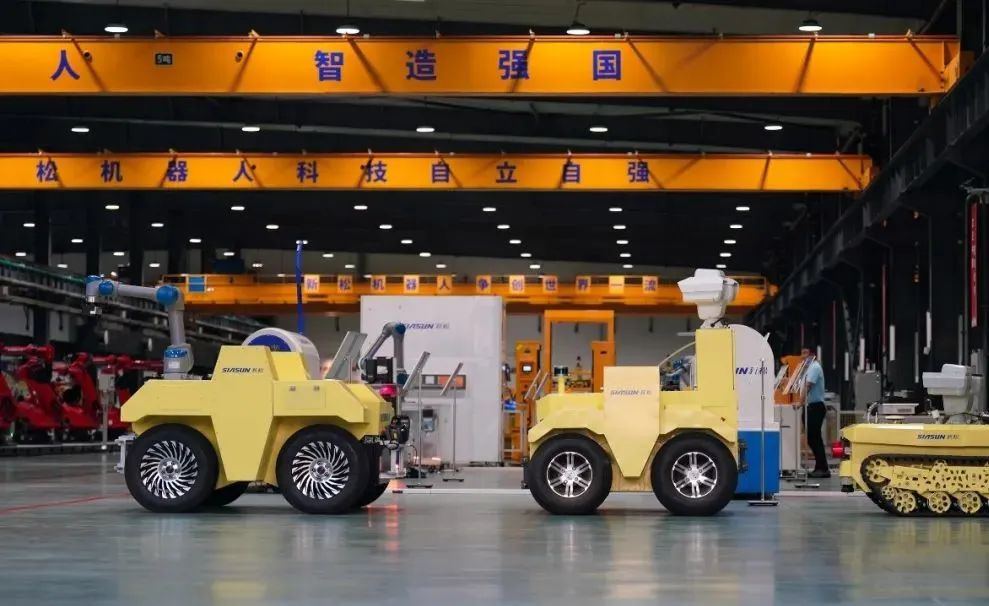
△A workshop at Siasun Robot & Automation Co., Ltd. (Photo by Li Jin, CRI)
Industrial robots, as a crucial means of production in the intelligent era, are a vital link in the transformation and upgrading of the manufacturing industry. In recent years, the scale of my country's industrial robot industry has continued to expand.
In terms of application, the scenario of "robot + industry application" is constantly deepening, covering 65 major industry categories and 206 sub-categories, with a robot density of 392 per 10,000 workers in the manufacturing sector. Whether in traditional industries or emerging industries, whether in areas of people's livelihood or major projects, robots are playing a significant role.
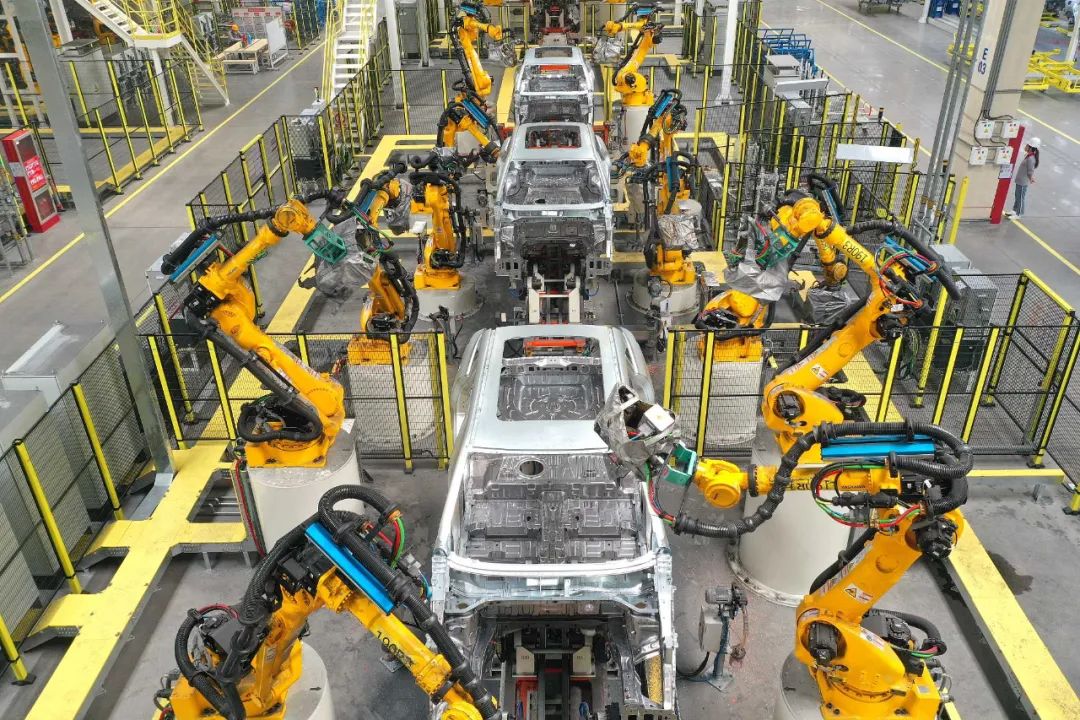
In manufacturing, China has been the world's largest seller of industrial robots for many consecutive years. In the first half of 2023, the output of industrial robots reached 222,000 units, a year-on-year increase of 5.4%. According to data released by the Ministry of Industry and Information Technology, my country has 273 specialized and innovative "little giant" enterprises in the robotics field, and 10 robotics companies have grown into manufacturing single-item champions.
Not only are more and more Chinese industrial robot manufacturing brands emerging in domestic and international markets, but my country's robotics industry "ecosystem" is also becoming increasingly complete. In the field of core component R&D and manufacturing, many "excellent players" have emerged, and the localization process is accelerating.
Take the precision reducer, a key component of robots, for example. Despite its small size, it is very expensive and extremely complex to manufacture, and was previously monopolized by foreign companies. In recent years, many domestic companies have collaborated with universities and research institutions to achieve domestic substitution of core components such as precision reducers, achieving independent control of core technologies.
The "rising star" among industrial robots—collaborative robots—is also constantly developing. Compared to traditional industrial robots, which have large loads, are standardized, and usually need to work in a "safety cage," collaborative robots are more flexible and safer, and can work in conjunction with humans. More "intelligent" collaborative robots will further boost China's high-end intelligent manufacturing.
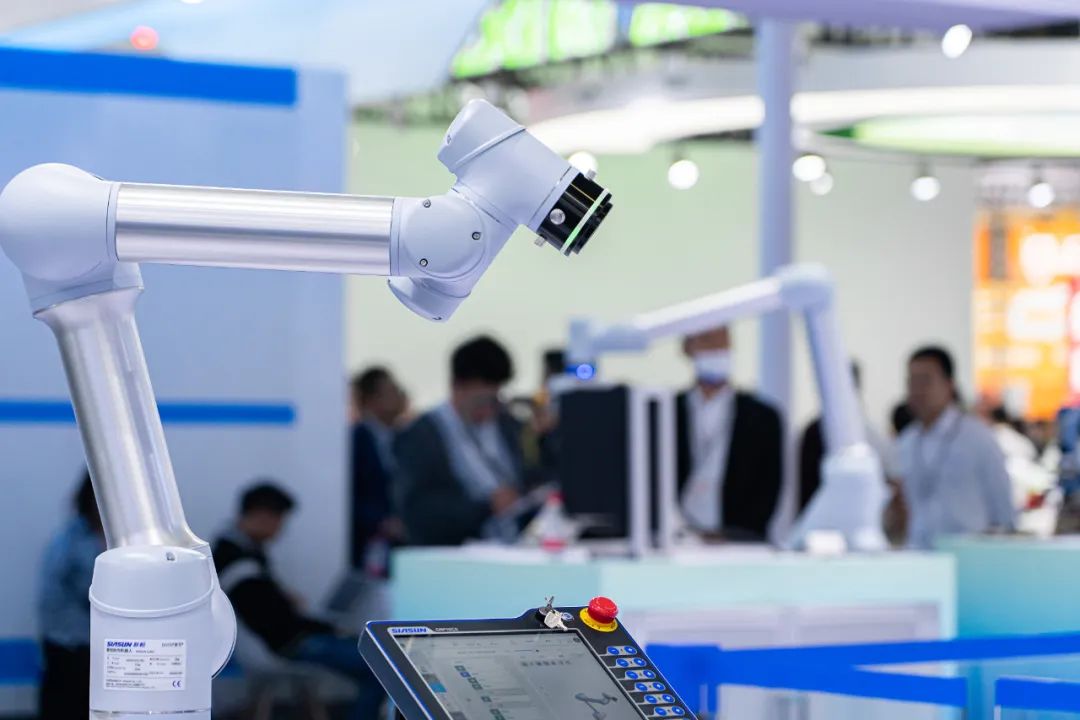
△Collaborative Robots
02
The future is here. With the continuous advancement of robotics technology, the application scenarios of "robot+" are becoming increasingly diversified.
The "Implementation Plan for the Application of 'Robot+'", issued at the beginning of this year, proposes ten application scenarios, including five major application scenarios in the economic field (manufacturing, agriculture, construction, energy, and commerce and logistics) and five major application scenarios in the social and livelihood field (medical and health, elderly care services, education, commercial and community services, safety and emergency response, and extreme environments).
In the agricultural field, robots also have great potential. Harvesting robots are excellent in orchards. Their robotic arms can accurately locate the fruit, easily pick it, and achieve fully automated harvesting, including picking, storing, and handling.
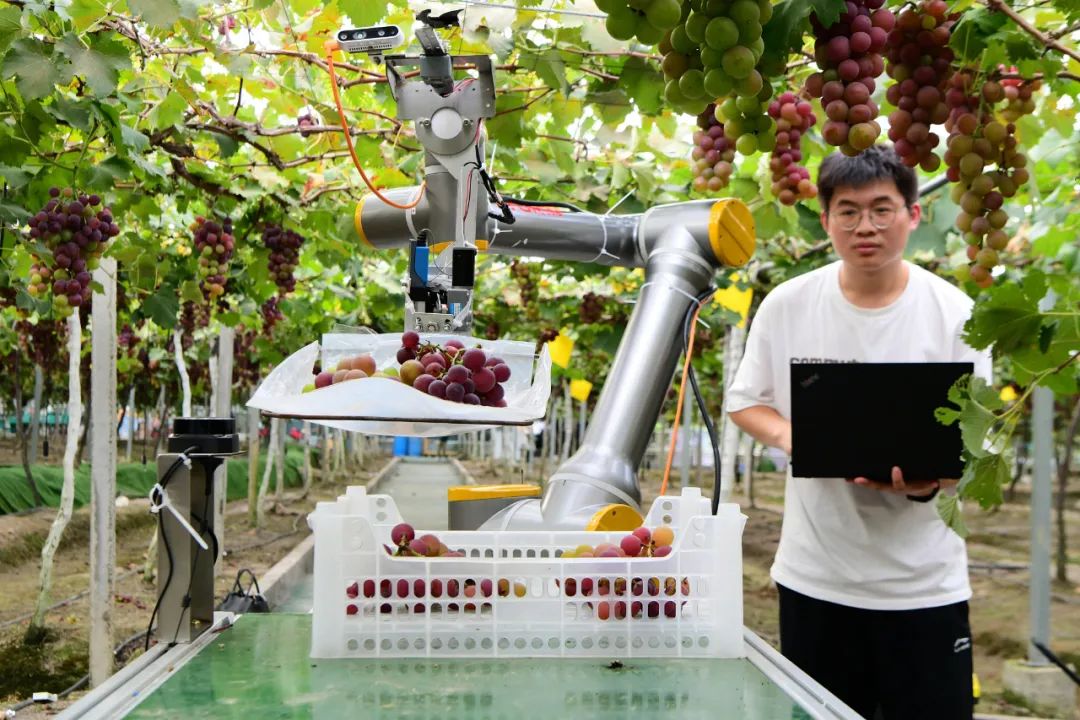
△ Software engineers are debugging a smart grape-harvesting robot.
The application of robots in social and public welfare sectors is even more promising. For example, the implementation plan proposes developing robots for assisting the elderly and disabled in areas such as elderly care, bathing, toileting, rehabilitation training, housework, emotional support, entertainment, and security monitoring. In commercial community services, it proposes developing commercial robots for catering, delivery, greeting, guiding, consulting, cleaning, and transportation, as well as home robots for cooking, cleaning, monitoring, and companionship.
At the recent 23rd China International Industry Fair, a domestic robot brand showcased an intelligent physiotherapy solution based on adaptive robots. This product can not only simulate human hands to perform pressure-kneading physical relaxation and treatment on soft tissues, but also precisely control the intensity to provide personalized physiotherapy services. Would you like to try robot physiotherapy?
With the increasing number of new energy vehicles, fast charging has become a necessity. Currently, a new energy vehicle charging robot is already in operation at some charging stations. After sensing that a car has parked, the charging robot automatically comes over, removes the charging gun, and inserts it into the car's charging port. By accurately identifying and planning paths, robots can complete the entire process of plugging and unplugging electric vehicles for charging.
Robots becoming helpful assistants in our lives is not science fiction, but a reality.
03
In August of this year, at the 2023 World Robot Conference, robots "Li Bai" and "Du Fu" performed a poetry recital, displaying quick wit and vivid expressions.

Not only were there "poets," but also a variety of humanoid robots with different functions, which broadened people's horizons. For example, there was a "barista" who could do latte art, a tactile sensing robot that could accurately sense and deliver objects, and a panda robot that could open the refrigerator and get drinks according to its owner's instructions.
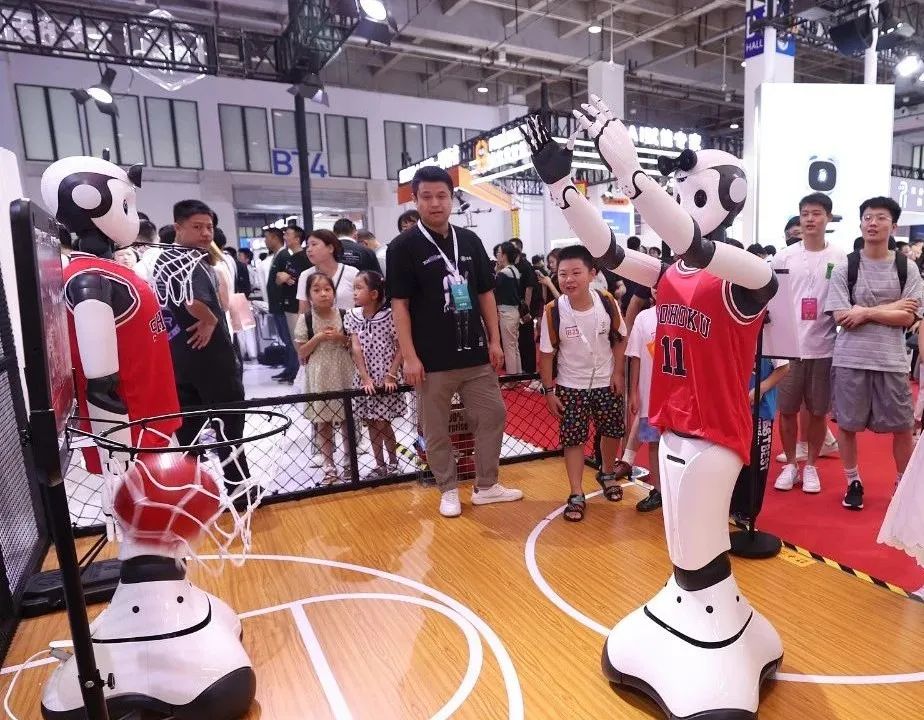
Currently, humanoid robots, with their intelligent "brains" and dexterous "limbs," are becoming the most futuristic new track in the robotics field. The development of humanoid robots is a systematic project integrating comprehensive hardware and software capabilities, combining general artificial intelligence, perception and control, simulation, and other cutting-edge technologies.
The explosive popularity of humanoid robots is significantly catalyzed by large-scale artificial intelligence models. Integrating these models into the intelligent multimodal interaction system of humanoid robots can significantly enhance their autonomous decision-making capabilities in real-world application scenarios, essentially upgrading the robot's "brain."
Experts say that general artificial intelligence requires interaction with the physical world to complete various tasks, and humanoid robots are the ideal physical entity. The convergence and integration of humanoid robots and general artificial intelligence are driving the vigorous development of new technologies, products, and business models, becoming a commanding height of global technological innovation, a new track for future industries, and a new engine for economic growth.
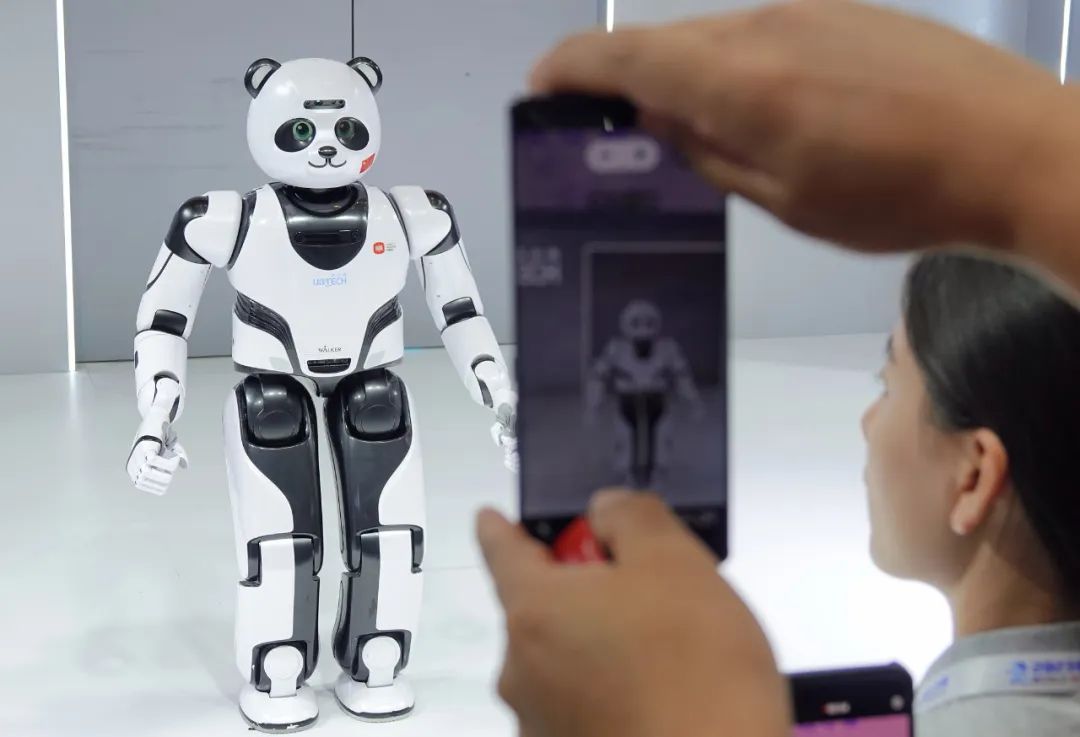
According to the International Federation of Robotics, the global humanoid robot market is projected to reach hundreds of billions of yuan by 2030. Currently, a number of domestic companies have begun to accelerate their development in the humanoid robot sector. However, it's important to recognize that the current technological level of humanoid robots still has significant room for exploration, and the industry is still in its early stages of development.
my country is accelerating its strategic deployment to ensure the humanoid robot industry gains a competitive edge and achieves long-term stability. Currently, my country has established national manufacturing innovation centers for areas such as intelligent robot sensors and intelligent voice, organizing collaborative research and development to advance the adaptation of key software and hardware.
Looking to the future, the Ministry of Industry and Information Technology (MIIT) has stated that it will promote the issuance of guiding opinions on the innovative development of humanoid robots, clarifying industry development goals and key tasks. Driven by technological breakthroughs in general artificial intelligence, the MIIT will leverage the foundation of the industrial robot parts industry, enhance the supply capacity of key common technologies, and promote the application of these technologies in key industries. Furthermore, Beijing, Shanghai, Shenzhen, and other cities have also introduced supportive measures.
As a rapidly developing new productive force, China's robot industry is continuously innovating in core technologies, accelerating the development of high-end manufacturing, and expanding its application scenarios. It not only strongly supports the digital transformation and intelligent upgrading of various industries but also contributes to a better life for everyone. This robot extravaganza is absolutely captivating!
Our company supports customized lithium batteries for intelligent robots. Nationwide service hotline: 400-670-5670.