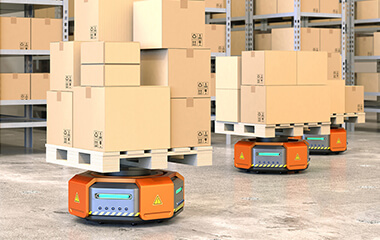
The robotics industry is hailed as the "crown jewel of manufacturing."
With the deepening of a new round of technological revolution and industrial transformation, the robotics and intelligent equipment manufacturing industry has entered a period of rapid development, playing a vital role in leading the high-end, intelligent, and green transformation of manufacturing.
On December 8th, a reporter learned from the Henan Provincial Robotics Industry Association that the total number of robotics-related enterprises in Henan Province has reached 12,685, ranking 8th in the country, and the industrial chain is basically formed. How can we build on our existing foundation, actively address major national needs, and accelerate our move towards a higher level of the innovation and industrial chain? The reporter interviewed Wang Jichang, President of the Henan Provincial Robotics Industry Association, on this issue.
Connecting with National Needs and Seizing Opportunities to Accelerate Industrial Upgrading
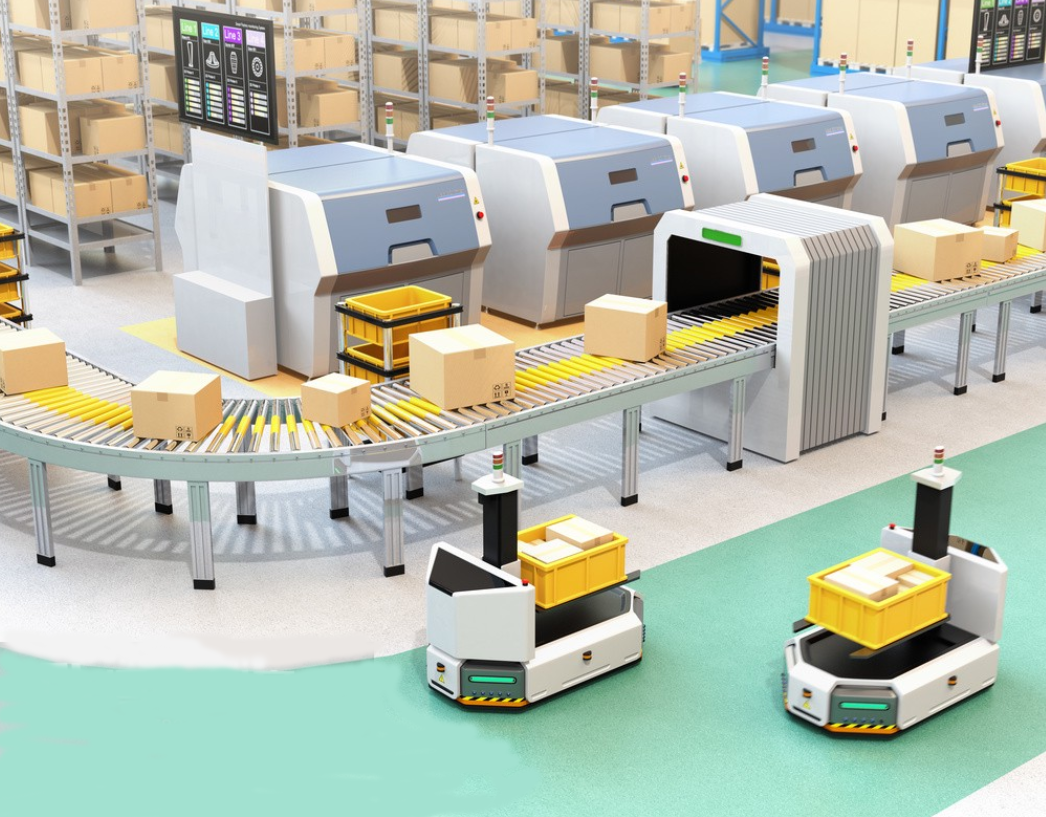
Welding and assembly: Industrial robots effectively improve the efficiency and quality of manufacturing; sweeping and housekeeping: Home service robots provide more convenience in life; food delivery and disinfection: Public service robots establish safety barriers during the pandemic…
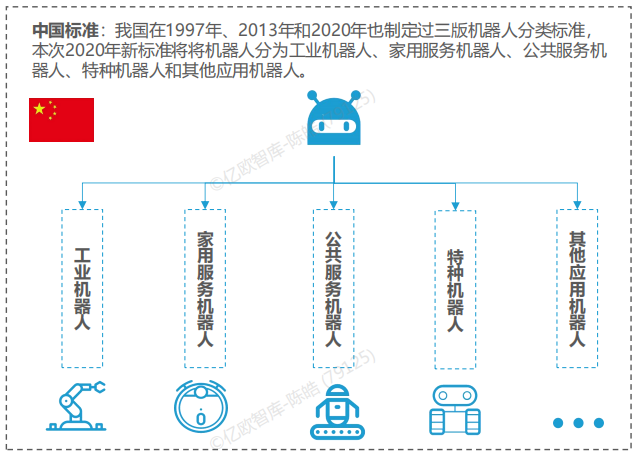
In recent years, my country's robotics industry has developed rapidly, with its application scenarios constantly expanding, changing people's lives and work. A series of related plans issued by the state, such as the "14th Five-Year Plan for Intelligent Manufacturing Development" and the "14th Five-Year Plan for Robotics Industry Development," have prioritized the robotics industry as a strategic emerging industry.
According to the "China Robotics Industry Development Report (2022)," the market size of my country's robotics industry is expected to reach US$17.4 billion in 2022, with an average annual growth rate of 22% over five years. The report also points out that the robotics industry in central China has shown considerable potential for future growth in recent years.
The report of the 20th National Congress of the Communist Party of China pointed out the need to "promote new industrialization and accelerate the construction of a manufacturing powerhouse." In line with major national needs, our province has proposed a digital transformation strategic goal for 2025, striving to achieve a new generation of information technology industry scale exceeding 1 trillion yuan, and building a nationally important cluster of intelligent terminals, intelligent sensors, information security industries, and a high ground for the innovative application of artificial intelligence.
"This presents a rare opportunity for the further accelerated development and upgrading of the robot industry in our province," said Wang Jichang. He believes that the development of the robot industry in Henan Province should focus on digital transformation, clarify its roadmap, select key breakthroughs, and exert efforts from both the supply and demand sides. It should promote industry through application and R&D through industry, strengthening collaborative research and development involving government, industry, academia, research, application, and finance. Key breakthroughs should be made in core component technologies such as servo motors, reducers, and controllers, forming an industrial pattern led by system integration companies and with the coordinated development of robot body and component companies, thus achieving sustainable development of the robot industry chain.
Strengthening the Industry Chain and Forming Advantageous Clusters for Accelerated Development
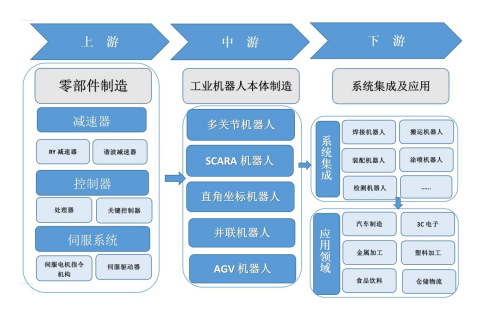
"Currently, the robot industry in Henan Province has achieved rapid development in terms of quantity, and the robot industry chain has basically taken shape," Wang Jichang introduced. According to statistics, the total number of robot-related enterprises in the province has reached 12,685, ranking 8th in the country. They are mainly distributed in Zhengzhou, Luoyang, Nanyang, and other places, involving parts, robot bodies, system integration, and applications.
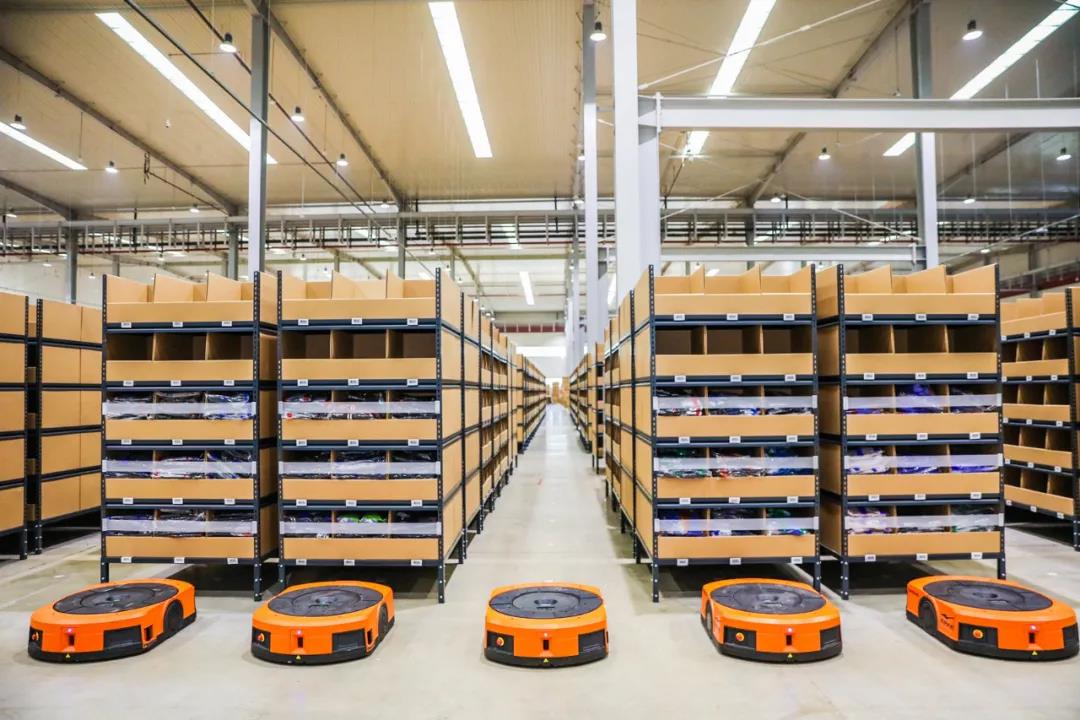
A number of companies with competitive advantages in industry applications, key component R&D, and technological innovation have emerged, including CITIC Heavy Industries' disaster relief robots, Zhengzhou Kehui Technology's welding robots, Zhengzhou Yueda Intelligent Equipment's robot system integration, and Xinxiang's Henan Qingong Robotics' laser cutting and system integration. Some of these companies have already gained considerable influence nationwide.
Local cities are leveraging these leading enterprises and supporting various innovation teams to vigorously promote the development of robot technology and product innovation. Currently, robot industry clusters have formed, such as the Zhengzhou base centered on Zhengzhou High-tech Development Zone and Zhengzhou University Science Park, and the Luoyang base centered on Luoyang High-tech Industrial Cluster and Luoyang National University Science Park.
It is reported that the Henan Provincial Robot Industry Association will next promote the establishment of a Henan Provincial Robot Industry Demonstration Park, guiding resources and innovation elements to gather in areas with a strong industrial foundation and great development potential, cultivating advantageous clusters with strong innovation capabilities and a good industrial environment, and forming a model of "leading enterprises driving, supporting enterprises following, and industrial cluster development."
Breaking through development bottlenecks and focusing on key areas to move towards high-end fields
After years of development, the robot industry chain in Henan Province has reached a certain scale. To break through the bottlenecks and embark on a virtuous cycle of rapid development, it is necessary to choose the right direction, integrate ideas, highlight Henan's characteristics, concentrate efforts, and create a clustering effect to push Henan's robot industry and its industrial chain to a higher level.
How to achieve the above goals? Industry experts offer three suggestions:
First, focus on key areas and concentrate efforts on advancing into the high-end of the robotics industry.
"The key development direction of Henan Province's robotics industry should focus on system integration and application, taking the upgrading and transformation of Henan's manufacturing industry and intelligent manufacturing as its mission, and achieving substantial breakthroughs in several sub-sectors where significant progress is possible," explained Chen Zhihong, Chairman of Zhengzhou Kehui Technology Co., Ltd.
For example, it should develop the capability to provide complete sets of intelligent manufacturing equipment with robotics technology at its core, master independent intellectual property rights and high-end robotic products and related technologies, or focus on supporting next-generation industrial robots or special robots with strong comprehensive soft power represented by industry-specific processes, targeting specific industries, striving to gain a foothold in these two aspects nationwide.
Second, accelerate the construction and improvement of the robotics industry standard system to guide the province's robotics industry towards a healthy and positive development direction.
Ye Zhiqi, Chairman of Zhengzhou Yueda Technology Equipment Co., Ltd., suggested guiding robot companies, universities, and research institutes to actively participate in the formulation and revision of international, national, and industry standards; promoting the establishment of branches in Henan Province by national-level professional testing and certification service platforms such as the National Robot Testing and Evaluation Center and the Robot Testing and Certification Alliance to enhance Henan's testing capabilities in raw materials, components, core parts, and complete machines; and actively building a robot technology standard innovation base, striving to become a national-level technology standard innovation base.
Thirdly, it is necessary to create a "systematic, task-oriented, and open" innovation consortium to cultivate advantageous clusters.
"We want to actively explore diversified organizational models based on the deep integration of the industrial chain, supply chain, and innovation chain, led by leading (backbone) enterprises and with the participation of universities, research institutes, and upstream and downstream enterprises," said Wang Jichang. He added that the Henan Provincial Robot Industry Association will lead the establishment of the Henan Provincial Robot Industry Research Institute, leveraging the roles of key robot laboratories, engineering (technology) research centers, and innovation centers to create a "systematic, task-oriented, and open" innovation consortium integrating R&D, pilot testing, industrialization, and engineering. (Article source: Henan Daily)