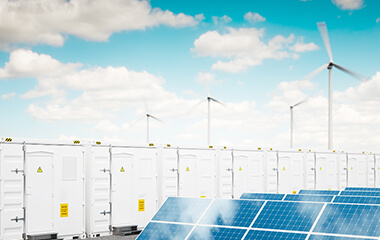
Common energy storage technologies include mechanical energy storage, electrochemical energy storage, thermal energy storage, and chemical energy storage. Mechanical energy storage, primarily pumped hydro storage, has the largest market share, boasting low cost per kilowatt-hour and long lifespan. However, its development has been relatively slow due to geographical constraints and long construction cycles. Electrochemical energy storage, with its high energy density, high conversion efficiency, fast response speed, and strong environmental adaptability, is the most advantageous among various technologies, and its future installed capacity is expected to surpass that of pumped hydro storage. Currently, electrochemical energy storage systems, represented by lithium batteries, are ready for large-scale application. From the perspectives of technological maturity, standard system development, and market selection, it is a rapidly developing technology with broad application prospects in the dual-carbon transformation process.
The applications of electrochemical energy storage are also diverse and multifaceted, capable of matching different application scenarios in the power system. Electrochemical energy storage is a potential, high-quality, flexible adjustment resource and active support for the power system. On the generation side, energy storage systems can smooth out large-scale intermittent wind and solar power generation, improve grid reserve capacity, and regulate frequency. On the grid side, electrochemical energy storage can improve power quality, regulate grid frequency, and reduce circuit losses. On the user side, it can perform peak shaving and valley filling, demand response, improve grid flexibility, and increase the utilization rate of distributed energy resources.
With the increasing installed capacity of electrochemical energy storage, the risk of accidents in energy storage systems has also increased to some extent. Abnormalities in the safety functions of energy storage systems can lead to potential hazardous events. Globally, there have been approximately 30 safety accidents involving energy storage system power plants. Ensuring the safety of energy storage systems throughout their entire lifecycle and avoiding and mitigating the dangers caused by system failures, thereby guaranteeing the safe, stable, and efficient operation of energy storage systems, are key areas we need to focus on.
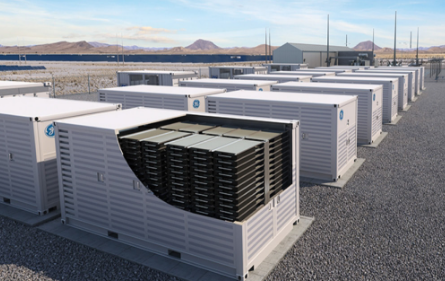
An energy storage system framework consists of three main parts: the first part is a subsystem composed of a battery system and an energy conversion system; the second part is an auxiliary system consisting of a cabinet system, air conditioning and fire protection systems; and the third part is a control subsystem consisting of a communication system, a monitoring system, and a control system. Electrochemical energy storage systems differ significantly from traditional electrical products, mainly in product composition, application scenarios, and risks and hazards. Consumer electronics, while relatively simple in structure and application, primarily pose electrical hazards. However, electrochemical energy storage systems are complex, composed of multiple critical subsystems with wide-ranging applications. Beyond electrical hazards, they present various potential risks related to energy, chemicals, fire, and explosions. Therefore, assessing the safety of an energy storage system is extremely complex, requiring consideration from multiple perspectives, including subsystem and component safety, product safety, installation structure safety, fire safety, functional safety, transportation safety, and operation and maintenance safety.
When evaluating the safety of an energy storage system, we cannot simply consider the safety of components and subsystems. We must consider the entire lifecycle of the system, evaluating all scenarios throughout its design, manufacturing, transportation, installation, operation, maintenance, upgrades, and decommissioning. The emphasis on the entire lifecycle of an energy storage system stems from addressing each risk source. Where are these sources? Clearly, they lie within the core processes of the system's lifecycle. The key to ensuring the safety of the entire energy storage system lies in controlling quality and operation at every stage, from design and manufacturing to operation and maintenance. For energy storage systems, we need to employ appropriate methods and standards for the entire process management, addressing different stages and subsystems. This includes various forms of testing, safety assessments, installation acceptance, and closed-loop testing to ensure the energy storage system meets all parameters, fulfilling promised and design values, and guaranteeing safety.
Standardization of energy storage systems is a crucial support for the development of energy storage applications. Establishing and improving energy storage system standards safeguards the industry. Globally, there is active planning for the construction of a power energy storage standard system, with initial results achieved. The existing energy storage system standard system roughly covers several stages:
1. Basic and general requirements.
2. Safety requirements.
3. Equipment requirements.
4. Installation, Commissioning, and Acceptance
5. Operation and Maintenance
6. Decommissioning and Recycling
However, the standards and management systems are not as mature as they have been with the rapid development of energy storage systems. The entire lifecycle of energy storage systems, from design, transportation, and installation, currently lacks fully unified design and safety standards. Furthermore, standards for grid connection performance, grid adaptability, and commissioning and acceptance are not particularly comprehensive. Additionally, backend applications such as energy storage fire protection, environmental protection, and economic benefits are largely unexplored.
Currently, the maturity of energy storage system standards is more focused on the safety of individual components and subsystems. Below, I have listed some relatively mature standards related to energy storage systems. Due to significant differences in safety assessment methods and installation and usage requirements across different countries and regions globally, there is currently no universally applicable evaluation standard for energy storage systems. However, a series of energy storage standards have been developed and published in China, Europe, and North America. These include IEC 62619 and 63056 for energy storage batteries, IEC 62477 for power conversion systems, and IEC 62933-5-2 for electrochemical energy storage systems. North American standards include UL 9540 for energy storage systems.
Regarding the installation and grid connection standards for energy storage systems, the most mature standards currently are NFPA 855, which covers the installation standards for stationary energy storage systems, safety requirements for power conversion equipment, and IEC 62933-3 for the planning and performance evaluation of electrochemical energy storage systems, as well as related domestic requirements for electrochemical energy storage grid connection.
You can scan the QR code to follow us; this will provide detailed information on some of the aforementioned component and product standards.
Currently, energy storage standards primarily focus on general standards and component standards. However, component performance cannot reflect the overall system performance or guarantee the safety and stability of the entire energy storage system throughout its lifecycle. There are currently no clear standards for system acceptance, operation and maintenance, and recycling at the back end of energy storage systems. We know that electrochemical energy storage systems, especially containerized systems, have not yet reached maturity from a lifecycle perspective, with relatively low standardization. Furthermore, the construction process of electrochemical energy storage systems is often quite extensive and poorly managed. Many completed energy storage power stations do not meet our requirements from a standard planning perspective. This leads to problems in actual use, such as poor reliability of energy storage systems and equipment, failure to meet functional performance indicators, and potential safety hazards.
With the development of new energy sources, the importance of energy storage services on both the grid and user sides is becoming increasingly apparent. Electrochemical energy storage systems, as a rapidly developing form, have garnered significant attention regarding installation and grid connection verification. However, industry assessments of electrochemical energy storage systems have not yet considered this aspect. Therefore, a standard specifically for the installation and acceptance of energy storage systems is needed. The "General Requirements for On-site Acceptance of Electrochemical Energy Storage Systems," drafted under the leadership of the China Chemical Physics Industry Association and TÜV NORD, was officially released in March of this year.
This standard primarily applies to electrochemical energy storage systems with main subsystems, auxiliary subsystems, and control subsystems not exceeding 1500V. Through on-site acceptance of each subsystem and post-installation acceptance quality, safety protection, grid connection capability verification, and relevant document review, it ensures the safety and quality of the energy storage system before and after construction.
The standard is mainly divided into several aspects: requirements for documentation, on-site acceptance, and on-site testing.
The first part introduces the documentation and general requirements for electrochemical energy storage systems. Firstly, documentation forms the basis for evaluating energy storage systems and power stations. Project documents and basic agreements provide information on the layout and design of the energy storage project, ensuring compliance with requirements. System drawings and documents for key sub-components provide information on configuration and whether the design achieves its objectives.
The second part covers on-site acceptance of subsystems and post-installation quality acceptance. On-site acceptance ensures that subsystems were not damaged during transportation, and that specifications, parameters, quantity, and quality meet the requirements of the technical agreement. Requirements for the installation site and construction quality ensure the installation quality, safety features, and safety design of the energy storage system meet requirements after installation.
The third part covers on-site system acceptance testing, including safety testing, energy capacity, efficiency, electrical energy output, and grid connection capability.
The following section outlines basic on-site requirements, referencing national standards. These requirements are relatively broad, including environmental conditions, humidity, and appropriate operating temperature limits.
Regarding document requirements, the project information types, basic information, qualification documents, and compliance documents are evaluated, including technical agreements, equipment procurement agreements, warranty documents, etc. System drawings include layout diagrams, electrical diagrams, civil engineering and fire protection design drawings, and detailed layout diagrams of each subsystem. Relevant documents for each key subsystem are also required, including equipment technical agreements, certification certificates, type test reports, certificates of conformity, user manuals, delivery acceptance reports, etc.
The second part is the on-site inspection after the system arrives. The on-site acceptance of the electrochemical energy storage system is divided into two parts: the first part is the inspection of each subsystem upon arrival at the site, and the second part is the quality inspection of the energy storage system after installation. Once all subsystems arrive on site, including the main subsystems, auxiliary subsystems, control subsystems, and low-voltage switchgear, we will inspect each subsystem's appearance, paint and electroplating for firmness and smoothness, frame panels for integrity, clear, standardized, and accurate text and symbols, correct wiring, secure connections of all wire harnesses, and proper placement of warning signs. We will also verify the functionality of the subsystems, checking the indicator lights and monitoring interface parameters for normal operation and compliance with the technical agreement, as well as safety requirements.
The second part involves a quality inspection of the entire system after installation and trial operation. This includes checking the container structure, the clarity of container numbering and markings, the presence of deformation, the uniformity of the coating without peeling or patchy areas, and the cleanliness and absence of dents. For walk-in energy storage systems, access control systems should be in place to prevent unauthorized entry. Walk-in containers exceeding 6 meters in length should have at least two safety exits; if the distance between two exits exceeds 10 meters, an additional exit should be provided. And after installation, each component should be labeled with a nameplate, including trademark, product code, manufacturer name, etc. For the battery subsystem, the connection to the container and various equipment should be reliable, without loosening, battery deterioration, or leakage. Connecting cables should meet power requirements, and on-site wiring should be free of bends. Battery protection devices should be configured.
After installation and commissioning, the energy storage system should be inspected, including grounding and lightning protection, key safety signs, dangerous voltages within the energy storage system, types with electric shock hazards, whether the fencing has warning signs, compliance with GB13495.1 requirements, signs prohibiting the storage of unrelated flammable materials inside and outside the container, escape routes for walk-in containers, and signage for restricted access or operation areas within the energy storage system. Control and indicator areas should also be appropriately marked during operation and maintenance.
The third part is the verification of safety protection quality, including hazardous gas monitoring devices, safety protection, grounding connections, lightning protection functions, and insulation withstand voltage.
The final part covers the on-site testing requirements after installation, which includes three components. The first is safety testing, including requirements for grounding resistance, withstand voltage insulation, dielectric strength, electrical clearance, and spacing of each subsystem. The second is energy efficiency, including charging and discharging energy, standby power consumption, charging and discharging response time, and conversion efficiency requirements. Finally, there's the adjustment of power quality and grid connection capabilities. Because there are many tests, I won't go into detail here; you can scan the QR code on the right-hand slides to see the specific testing requirements.
As we all know, the installation and acceptance of energy storage systems are the most crucial links in the entire lifecycle of energy storage. Energy storage is a vital supporting technology for promoting energy transformation and development. Under the dual-carbon background, the power system needs to vigorously develop an energy system with new energy sources as the main structure. In the context of global efforts to promote carbon neutrality, the development model of new energy + energy storage has broad prospects.